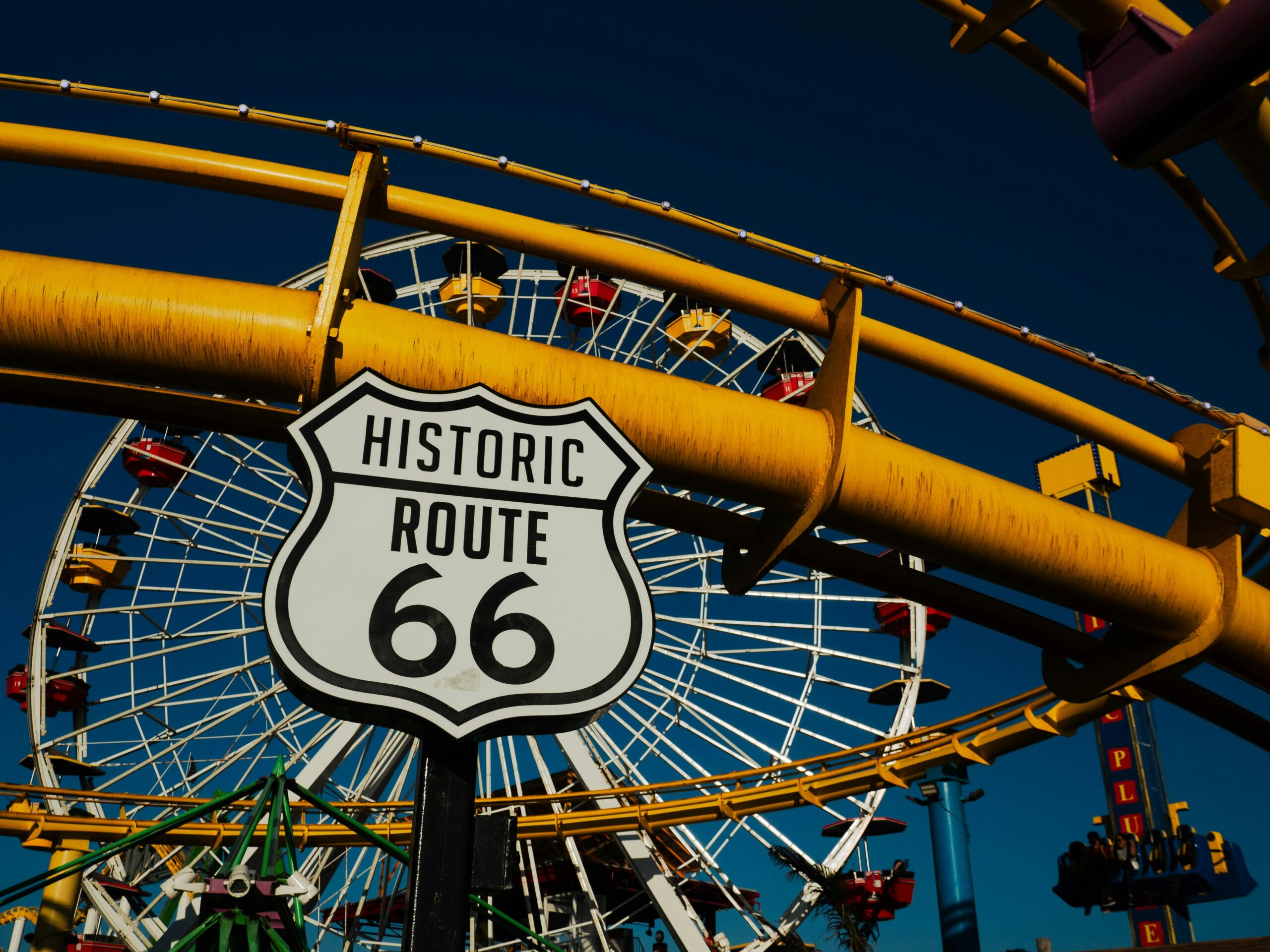


“Driving the Dream”
My Journey Along Route 66
It begins with a small white sign in downtown Chicago.
“Historic Route 66 Begins.”
Cars honk around me, commuters rush for trains, and I’m standing there like a tourist with a grin on my face. It’s not much to look at — just a rectangle bolted to a lamppost. But to me, it’s the starting pistol of a dream I’ve carried for years.
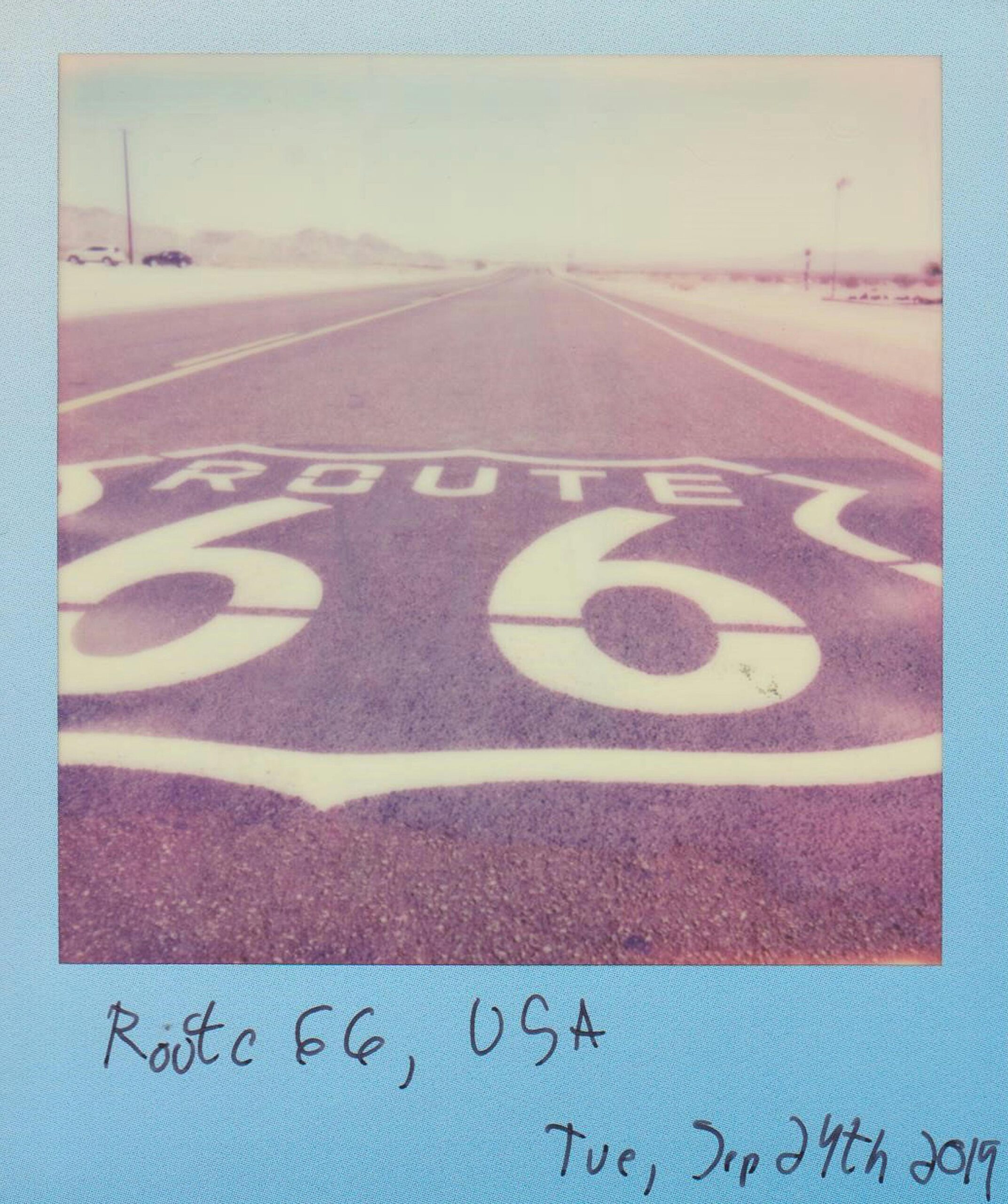
Route 66. The Mother Road. The highway of hope, adventure, reinvention.
I’ve read about it, watched documentaries, even hummed the Nat King Cole tune more times than I can count. But standing here — about to trace nearly 2,500 miles from Chicago to Santa Monica — I feel like I’m stepping into history itself
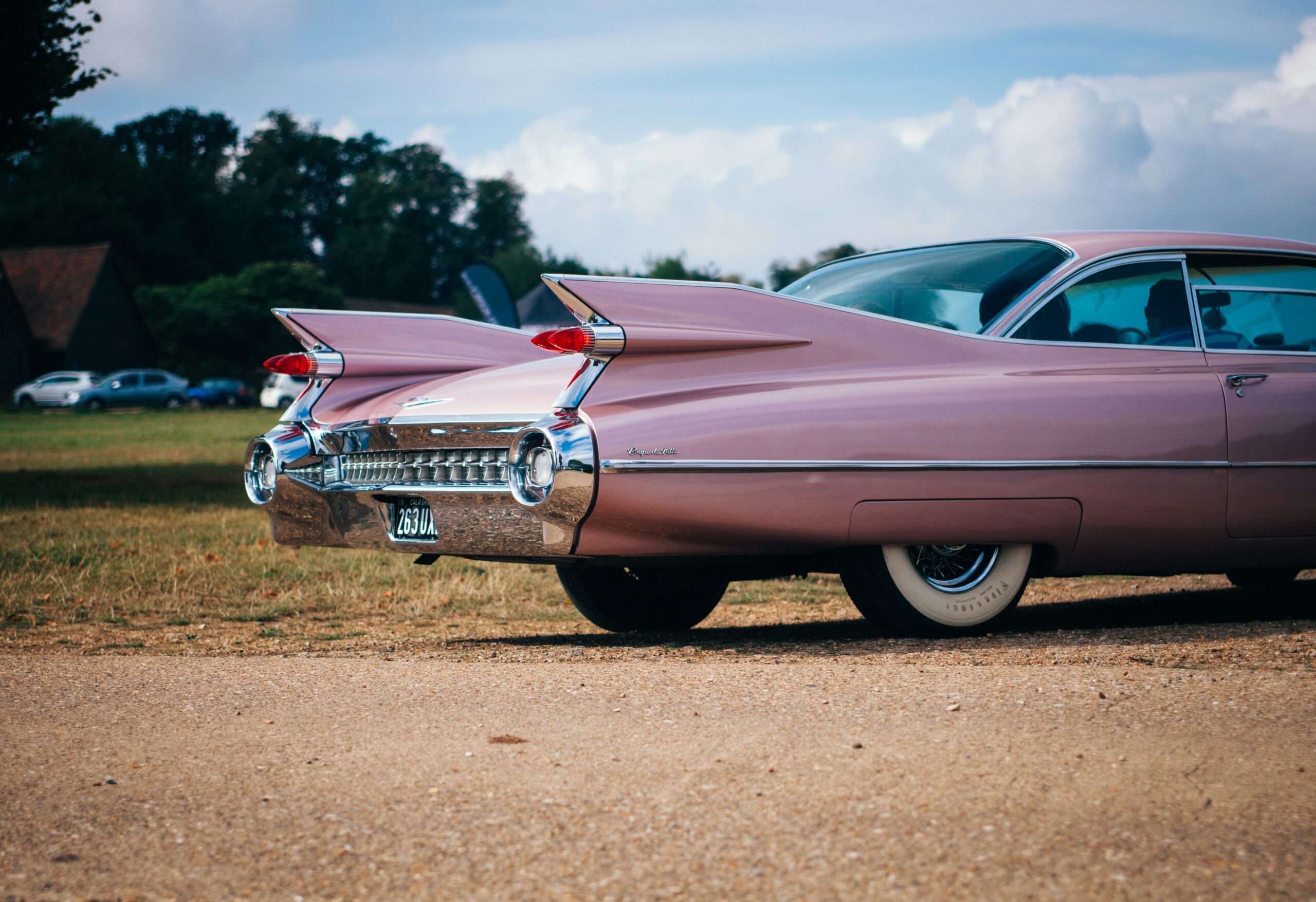
The road was born in 1926, when America was wiring itself together with asphalt. During the 1930s Dust Bowl, families packed everything they owned and drove west on this highway, praying for a better life. Later, after World War II, it became the playground of prosperity — families in shiny cars heading west for holidays, filling diners, motels, and gas stations.

And then, in 1985, it was “decommissioned.” Replaced by faster interstates. Left to fade. Except it never really did. Route 66 became something rarer: a road that’s half history, half myth, but still alive under your tyres.
I slip behind the wheel, glance at that sign one more time, and whisper: let’s go.
The beginning
Planning the Mother Road
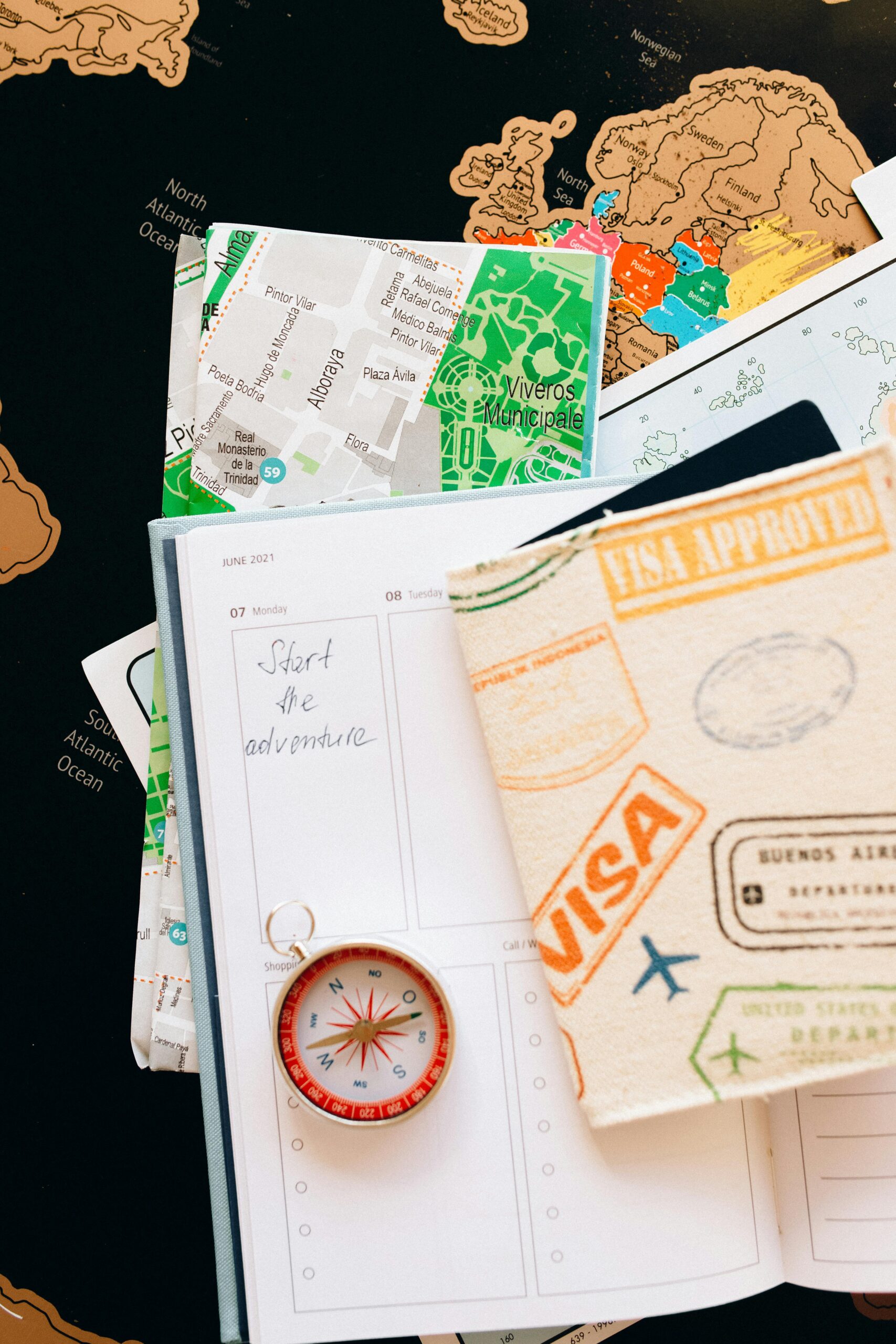
Before you even start the engine in Chicago, there’s a little magic in planning the route. Route 66 isn’t just a highway; it’s a living thread of America, weaving through small towns, deserts, mountains, and neon-lit motels. And while you could technically follow the modern interstates for speed, the real adventure is in the original twists, turns, and quirky detours that make the road legendary.
Mapping Your Journey
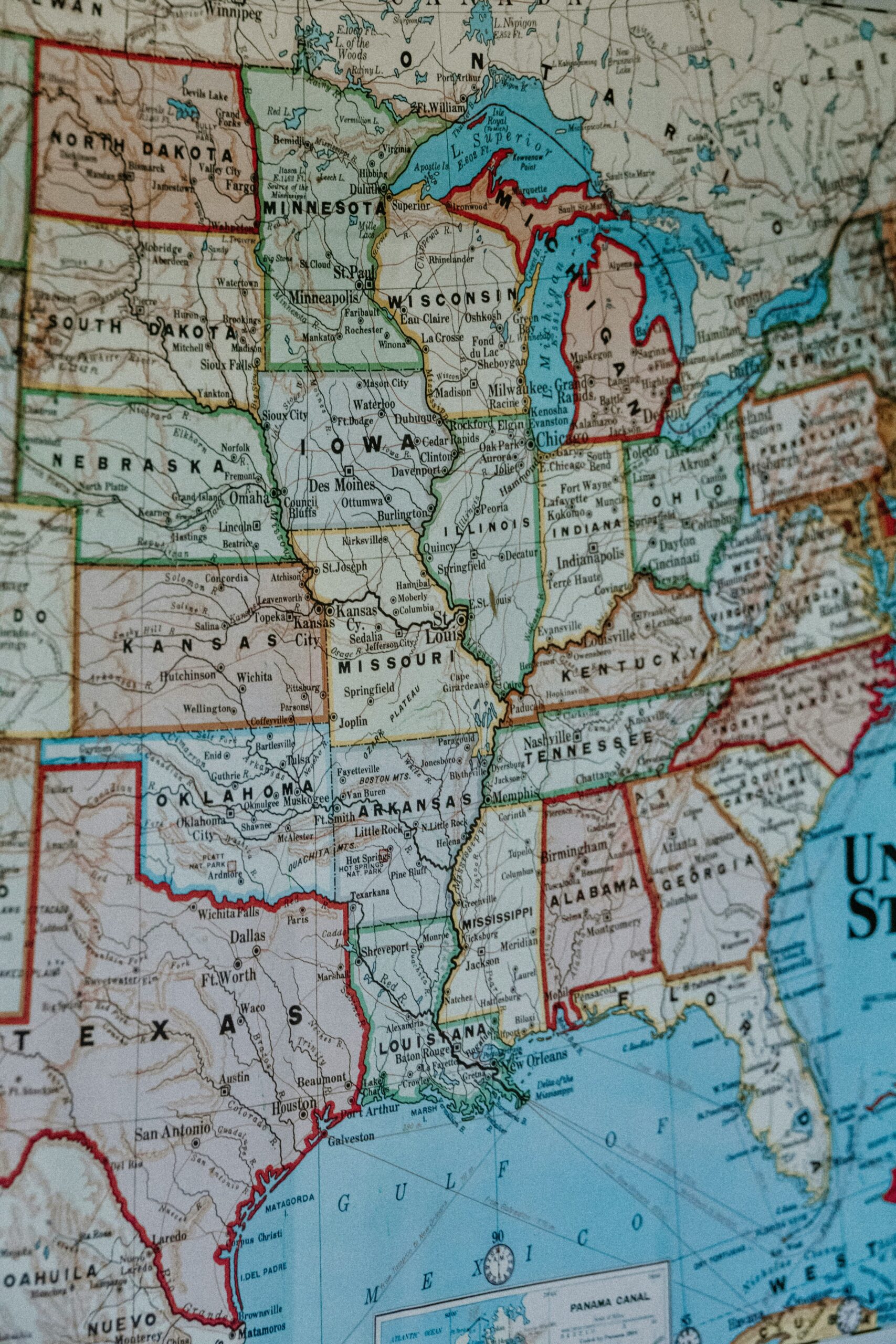
I spent hours poring over maps, highlighting towns I wanted to visit, diners I had to try, and roadside attractions I couldn’t miss — from the Blue Whale of Catoosa in Oklahoma to Cadillac Ranch in Texas. There’s something soothing about plotting each day: knowing which diner I’d hit for breakfast, which neon sign I’d stop for a photo, and which motel I’d collapse into at night.
Picking Your Pace
Some travellers sprint, trying to hit the whole road in a week. Others meander, lingering in diners, chatting with locals, or photographing every neon sign. My advice: don’t rush it. The road is meant to be savoured. Even a single state offers days of discovery if you wander off the main route to explore small towns, oddball attractions, and local art.
Here’s how the mileage covered by Route 66 breaks down per state:
And here’s roughly how long you can expect to spend driving
I planned a lot before leaving, but some of the best experiences were unplanned — a roadside jazz duo in Missouri, a pie-eating contest in Oklahoma, a desert sunset that felt cinematic beyond belief.
Route 66 is sprinkled with delightful detours. Want to sleep in a concrete wigwam in Holbrook, Arizona? Stop. Need a photo with a giant Blue Whale in Oklahoma? Detour. Curious about the neon motels of New Mexico? Take the extra mile. The beauty is in flexibility.
Let the maps guide you, but let the road surprise you. That’s the true magic of Route 66.
First stop
Illinois – Murals, Motels, and First Miles
Leaving Chicago, the city fades quickly into flat farmland dotted with barns. My playlist shifts to old rock ‘n’ roll — Buddy Holly, Chuck Berry — the kind of music that makes your foot tap harder on the gas pedal.
My first stop is Joliet, where the Route 66 Welcome Center sits inside a grand old theatre. The lady at the desk pulls out a yellowing map.
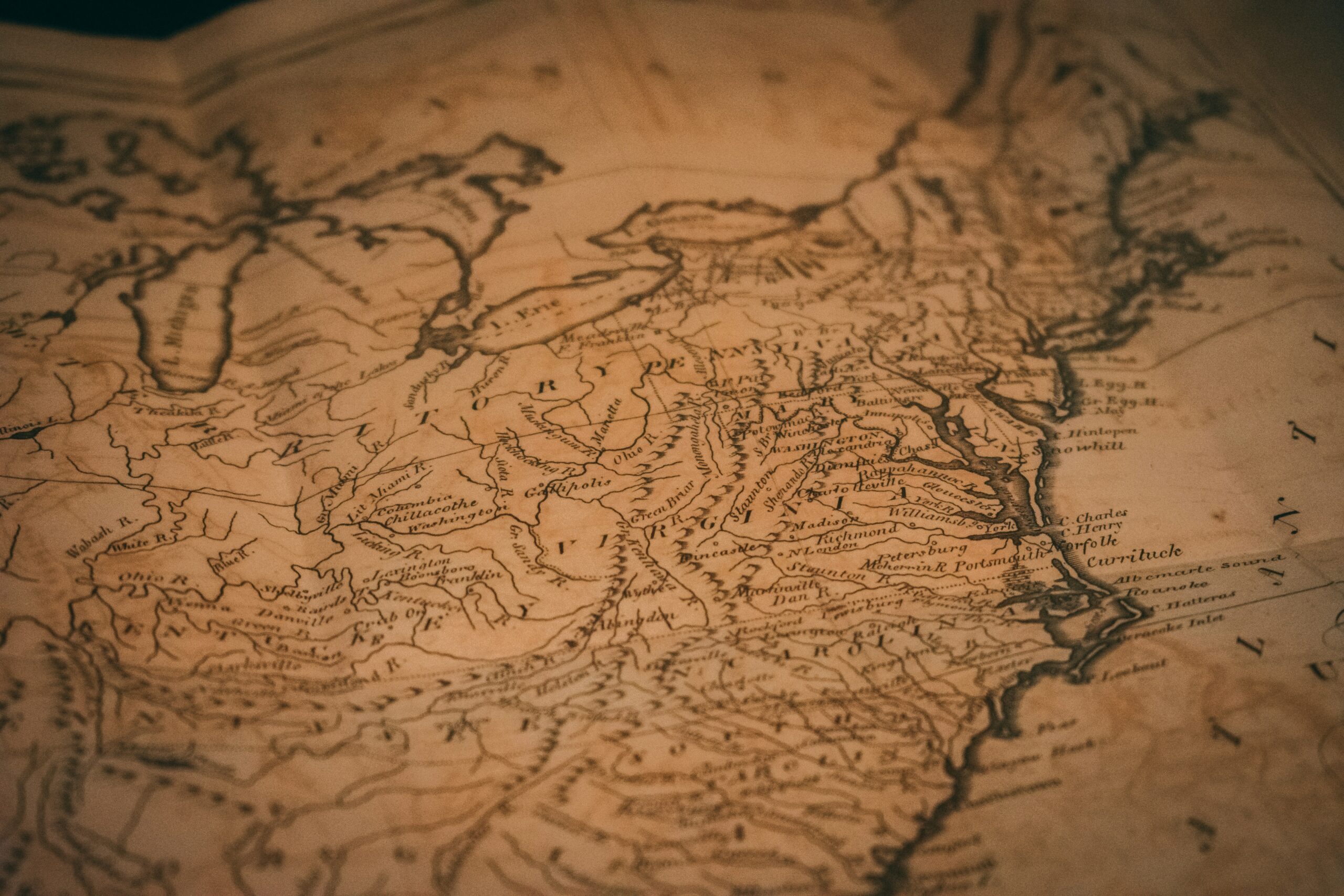
“These dotted lines?” she says, tracing the paper with her finger. “That’s the original road. People bring in their grandparents’ maps all the time. They’re driving history.”
I buy a coffee, stand under the theatre’s marquee, and realise — this isn’t going to be a trip through America. It’s a trip back through it.
Pontiac – Painted Stories
Further south, Pontiac greets me with walls covered in murals. A giant Route 66 shield spans one brick wall, while another depicts classic cars cruising under a blazing sunset. The whole town feels like a love letter to the road.

I eat pie in a diner where the jukebox still works. Outside, a man on scaffolding paints another mural. He leans down and shouts:
“Every brushstroke is keeping the road alive!”
And I believe him.
Springfield – Corn Dogs and Ghosts of Lincoln
By Springfield, I’m hungry again. Cozy Dog Drive-In serves the original corn dog, and yes — it’s better than the frozen ones I grew up with. Greasy, golden, perfect.
But Springfield isn’t just about food. It’s Lincoln’s town. I walk past the old statehouse where he worked and can’t help but think about history layered on history: presidents and pioneers, dust storms and diners, all stitched together by this one road.
Missouri
Crossing the Gateway
Cuba – The Mural City
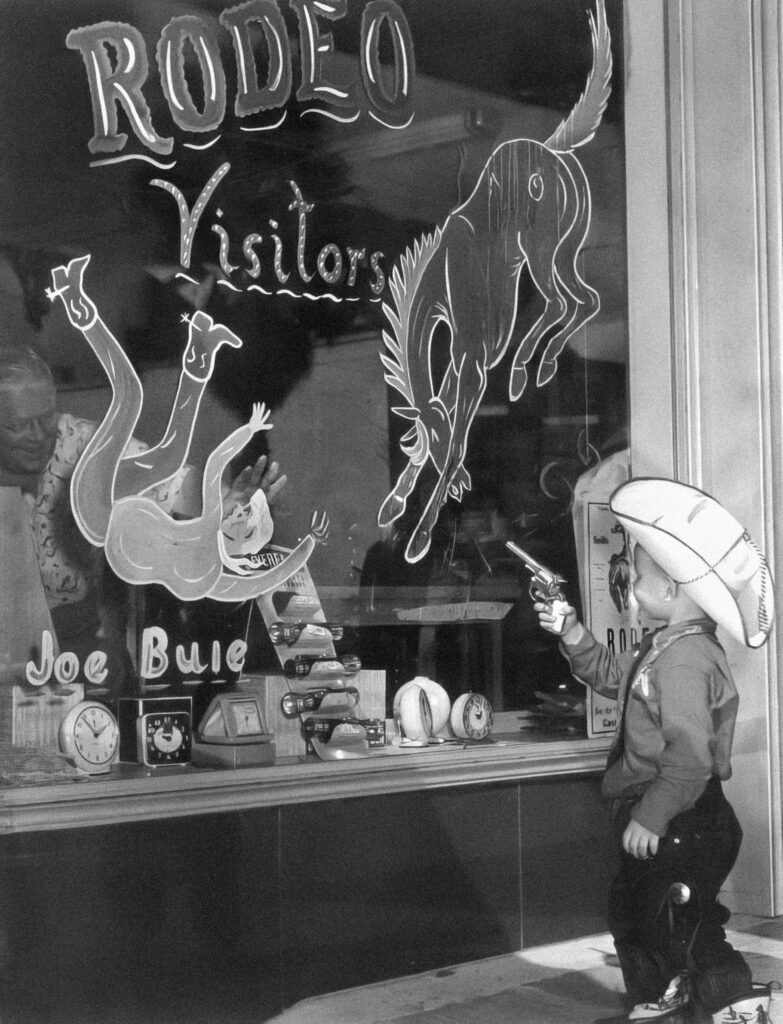
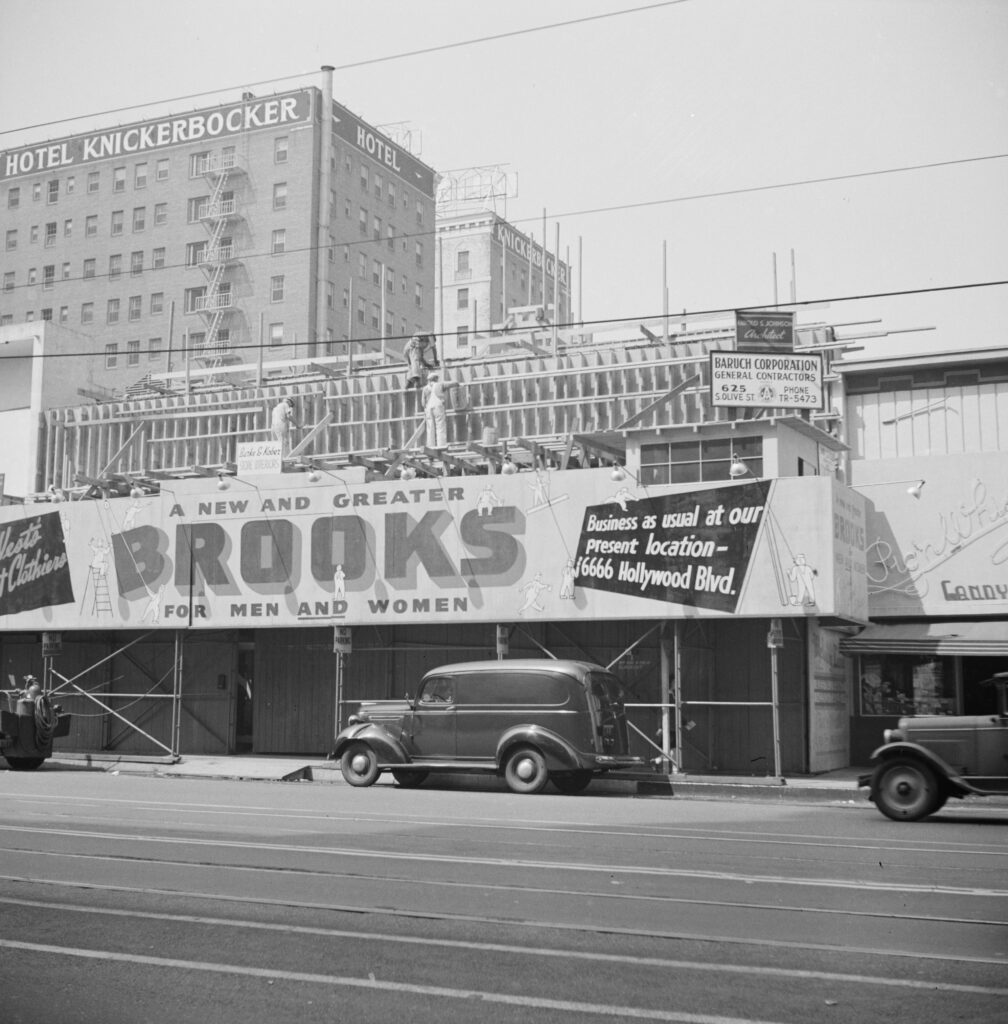
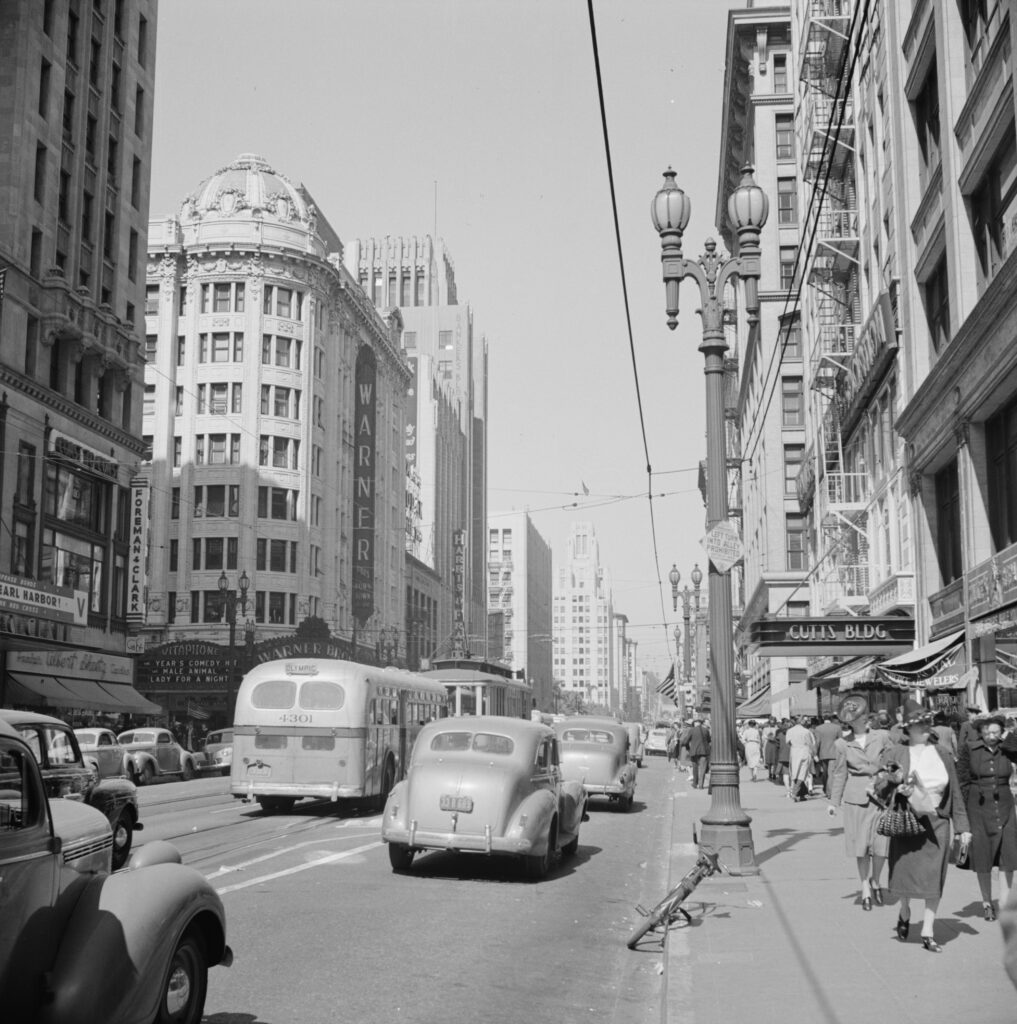
They call it Mural City, and they’re not kidding. Nearly every wall in Cuba, Missouri tells a story — a steam train here, a 1950s family picnic there.
At a neon-lit motel, I talk with the owner.
“In the ’50s,” he tells me, “every night we had cars lined up. Kids with ice cream cones, parents with maps on the hood. Route 66 was family.”
He looks out at the empty road, then smiles. “It still is. Just a different kind.”

Kansas
Thirteen Miles of Magic
Kansas only claims 13 miles of Route 66, but it’s unforgettable.
In Galena, I stop at the old Kan-O-Tex service station. Out front sits a rusty old tow truck with big round eyes painted on the windshield. Pixar’s animators came here for inspiration; this is the real-life “Tow Mater” from Cars.
A guide laughs as tourists pose.
“It’s funny, isn’t it? Just a rusty truck. But on this road, even junk turns into legend.”
Baxter Springs and Riverton fly by, small but proud. I realise that Route 66 isn’t measured in miles, but in stories per mile. And Kansas packs plenty.
Oklahoma
The Beating Heart of the Road
Oklahoma stretches nearly 400 miles, and it feels like the Mother Road’s true soul.
Arcadia’s Round Barn
Built in 1898, perfectly circular, the Round Barn is both bizarre and beautiful. Inside, a bluegrass band strums guitars in the loft. Their music spirals upward, filling the rafters. I sit on the wooden floor and feel the barn vibrating under my hands.

Clinton’s Museum and a Slice of Pie
In Clinton, I wander the Route 66 Museum. Dust Bowl photos show hollow-eyed families crammed into trucks, mattresses tied to roofs. The captions say 200,000 people fled west this way. Steinbeck wasn’t exaggerating when he called it “the Mother Road.”
The museum’s displays remind me that this exodus wasn’t just about wanderlust—it was survival. Families left parched farms behind, chasing the promise of work and fertile ground in California. But migration wasn’t the same everywhere. Some states saw nearly a fifth of their residents pack up and leave, while others lost a smaller share.
Here’s a look at how the Dust Bowl migration varied across the Plains states:
The numbers make clear what the photos can only hint at—whole communities reshaped, counties emptied out, and landscapes scarred by loss. For many, Route 66 wasn’t just a road trip—it was the road out.
Later, in a diner, I meet a waitress named Carol. She’s been serving pie since 1964.
“Families come back with their kids,” she says, pouring my coffee. “Then with their grandkids. They sit at the same booth, order the same pie. It’s like the road loops back around.”
She tops my slice with cream and pats my shoulder. And for a moment, I feel like family too.
Texas
Cadillac Dreams and Cowboy Breakfasts
Cadillac Ranch
I nearly miss it — ten Cadillacs, buried nose-first in the desert outside Amarillo. Each one layered in neon spray paint, a rainbow of graffiti. People are laughing, painting, leaving marks that will be covered by tomorrow.
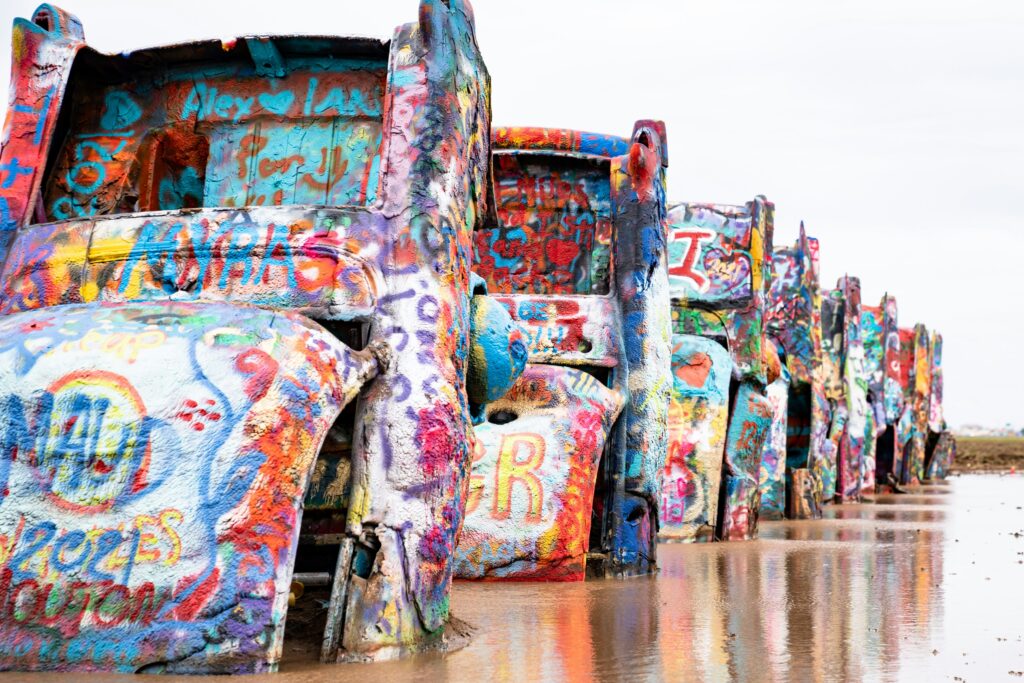
A teenager shows me his fresh tag.
“Grandpa came here in ’75. Said the cars were still shiny. Now it’s my turn.”
I shake the can, spray my initials, and laugh. Tomorrow it’ll vanish under another coat. But that’s the point — Route 66 isn’t about permanence. It’s about taking part in the story.
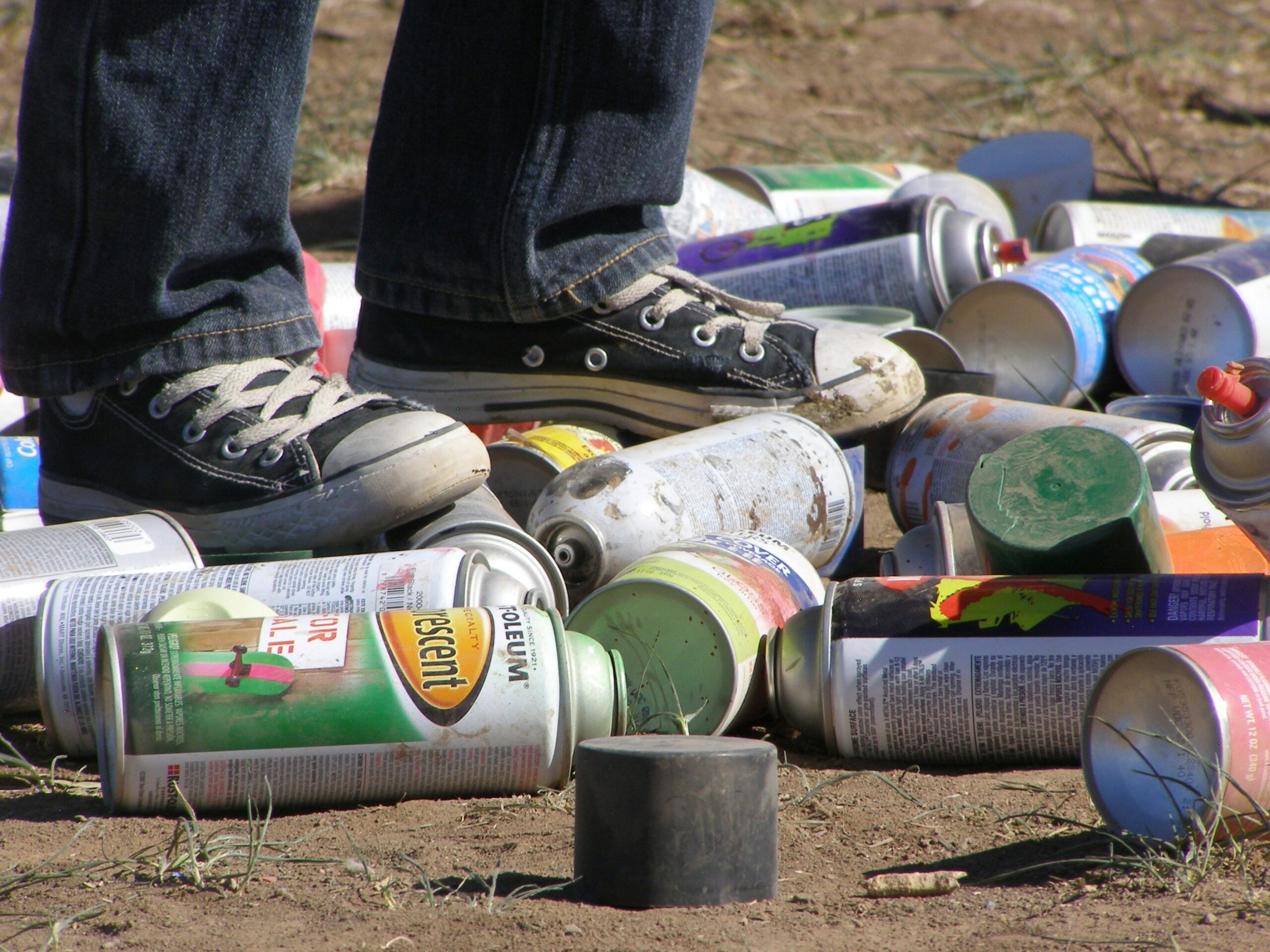
Out on the Plains, the wind carries the smell of paint mixed with dust. Families pose for photos, kids climb the tilted fins like playground slides. It feels less like a roadside stop and more like a living canvas, where strangers share the same brush.
As I walk back to the car, I notice the horizon stretching wide and empty. Cadillac Ranch doesn’t try to last forever—it just asks you to leave a little color behind, knowing it will soon be gone. Like the road itself, it’s less about what stays than what keeps moving.
New Mexico
Neon Nights and Desert Colours
Tucumcari Tonite!
Billboards shout “2000 Rooms – Tucumcari Tonite!” and sure enough, motels line the road. The Blue Swallow Motel glows in neon perfection. I park in one of its little garages and feel like I’ve stepped back into 1957.
The owner, paint on his hands from retouching the sign, tells me:
“I keep it glowing not for business, but for spirit. People drive 500 miles just to see this sign lit.”
Albuquerque and Santa Fe
In Albuquerque, Route 66 is Central Avenue — buzzing with diners, taco stands, and vintage neon. Students cruise by in lowriders, music thumping.
Santa Fe, just north, is quieter. Adobe walls glow orange in the setting sun. I eat green chile enchiladas so spicy they make me laugh out loud.
And suddenly I realise: Route 66 isn’t one story. It’s a hundred stories told all at once.
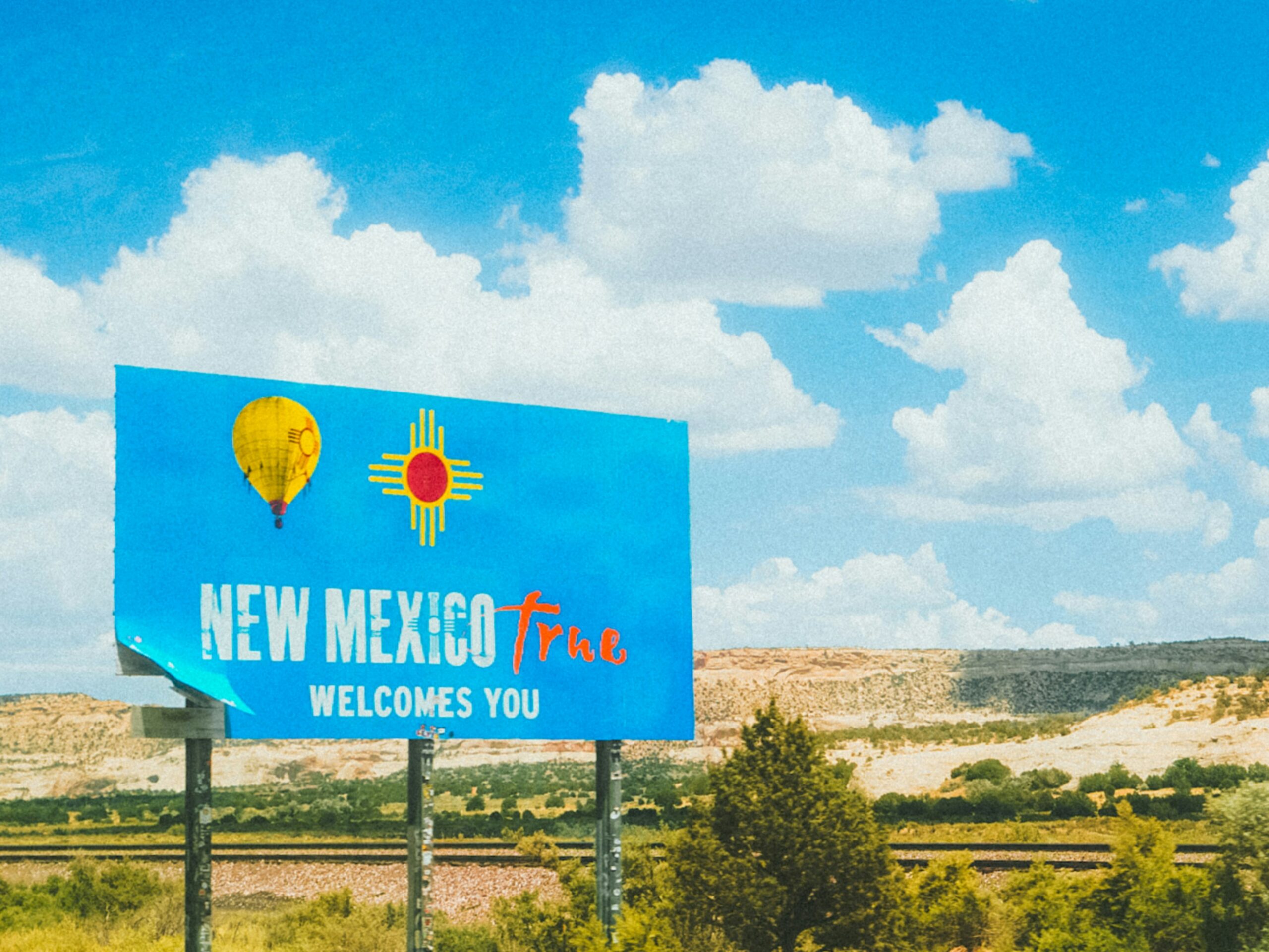
Over the sands and mesas of New Mexico, the sky becomes a stage each October. In Albuquerque, hundreds of balloons—bright as jewels—tap the horizon at dawn during the Balloon Fiesta, lifting off in a jaw-dropping mass ascension. It’s not just a show, but a kind of pilgrimage: for the pilots, for photographers, for travellers wanting to catch something fleeting and beautiful.
The weather, the wind, the light — it all conspires here. They call it the Albuquerque Box: morning winds that shift with height, letting balloons drift out and drift back, circling among the clouds and mountains. Below them, you see the dusty lowlands, the Rio Grande valley, the shadows of volcanoes and mesas. Each flight is as much about the view as the moment — about being up, even if just for an hour, floating above the rugged earth and seeing the land from another angle.

Arizona
Desert Magic and Preservation Battles
Seligman and Angel’s Crusade
In Seligman, I meet Angel Delgadillo, the barber who saved Route 66. In 1987, when the interstate stole the traffic, his town emptied overnight. Angel rallied his neighbours, coined “Historic Route 66,” and campaigned until the road was recognised again.
He looks me in the eye.
“They said the road was dead. I said no — she’s just sleeping. And now she’s awake again.”
His conviction sends a shiver down my spine. Without people like him, this journey wouldn’t exist.
The Grand Canyon Detour
A short detour takes me to the Grand Canyon. I stand at the rim as the sky turns red, then purple, then deep black. The canyon glows like fire, then sinks into shadow. I can’t help but think: this road was always about chasing horizons. And here, the horizon feels infinite.
California
The End of the Trail
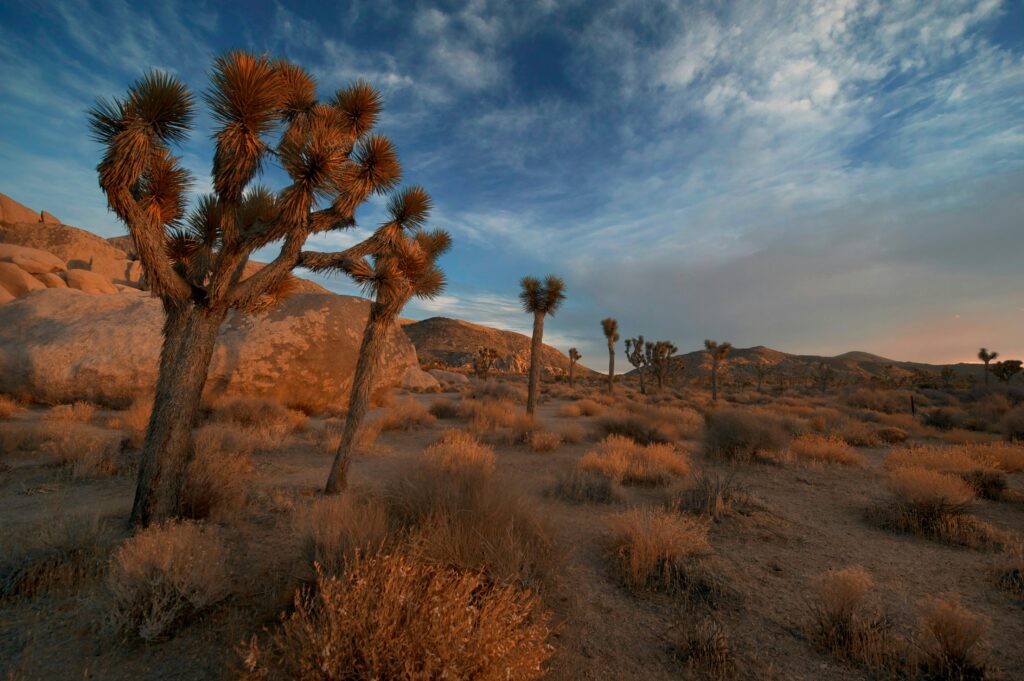
The Mojave Desert is both brutal and beautiful. Heat presses down as I pull into Elmer’s Bottle Tree Ranch. Thousands of bottles clink in the wind, sunlight bouncing through glass. Elmer himself hammers a new one into place.
“They’re just bottles to some,” he says, “but together they tell stories. Like this road.”
Santa Monica – Touching the Pacific
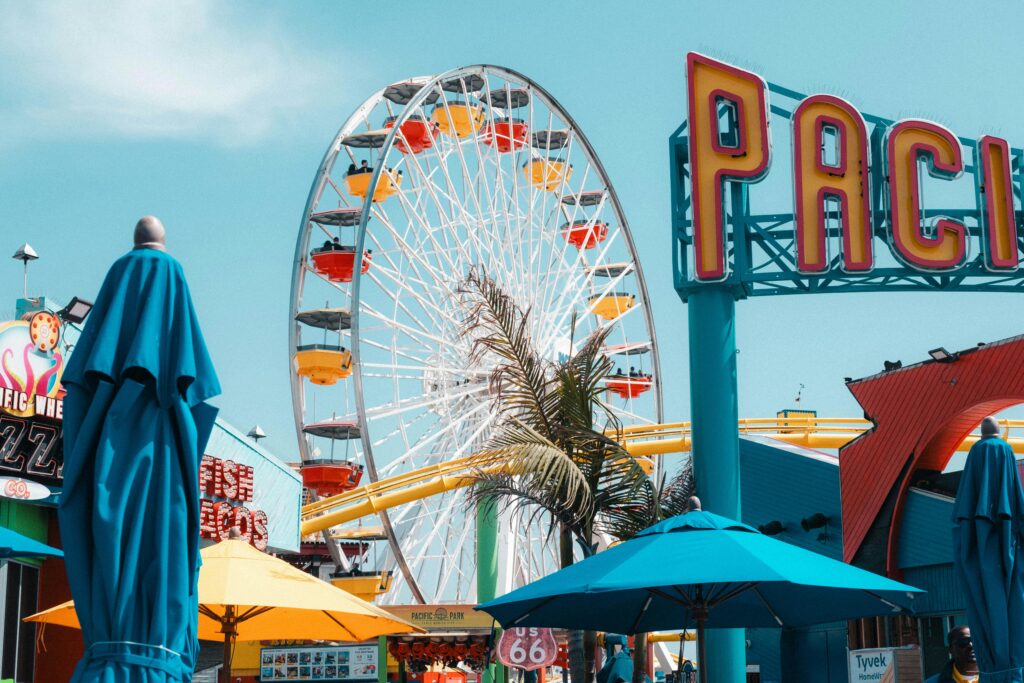
Finally, after days and days of blacktop, I reach Santa Monica Pier. The Pacific stretches endlessly, gulls wheel overhead, and the “End of the Trail” sign stands proudly. Families pose, buskers sing, kids clutch candyfloss.
I walk to the water’s edge, kick off my shoes, and let the waves wash over me.
I thought I’d feel like the journey was over. Instead, I feel like it loops back — every mural, every diner, every neon sign stitched together into something eternal.
I buy a coffee, stand under the theatre’s marquee, and realise — this isn’t going to be a trip through America. It’s a trip back through it.
Epilogue
A Road That Refuses to Die
Route 66 is no longer America’s main artery. The interstates stole its purpose. But somehow, that made it more powerful.
It’s no longer just a road. It’s a story. A scrapbook. A living museum of diners and motels and quirky roadside dreams. It’s people like Angel Delgadillo keeping their towns alive, musicians keeping the jukeboxes playing, travellers keeping the tyres rolling.
A preservationist I met in Arizona said it best:
“The Mother Road isn’t dead. She’s retired. And like any great retiree, she’s got more time than ever to tell her stories.”
And what stories they are.
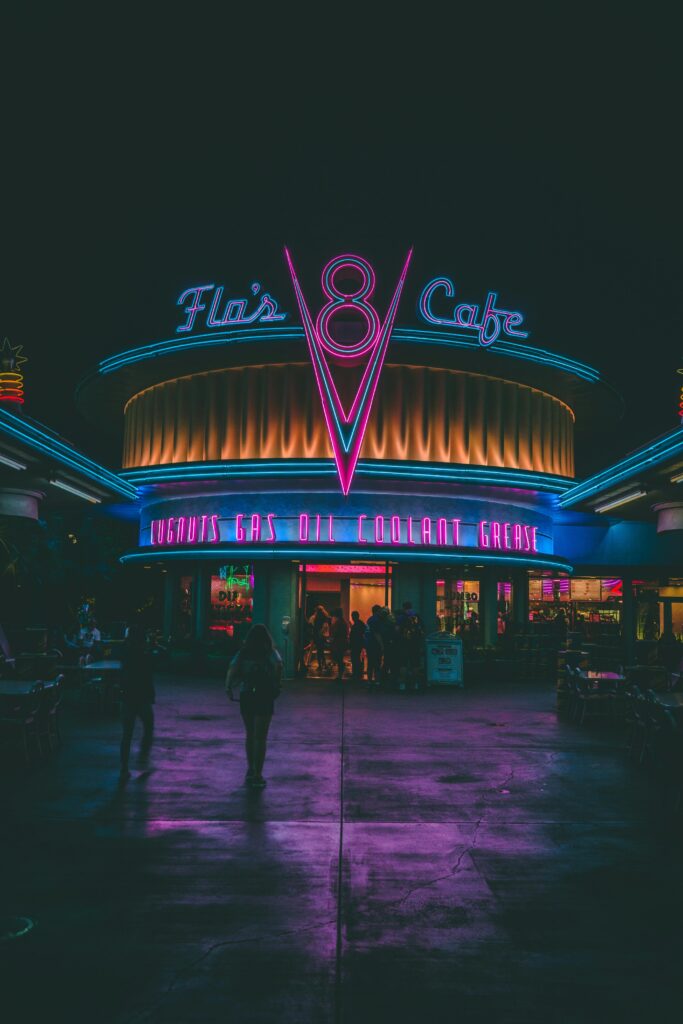
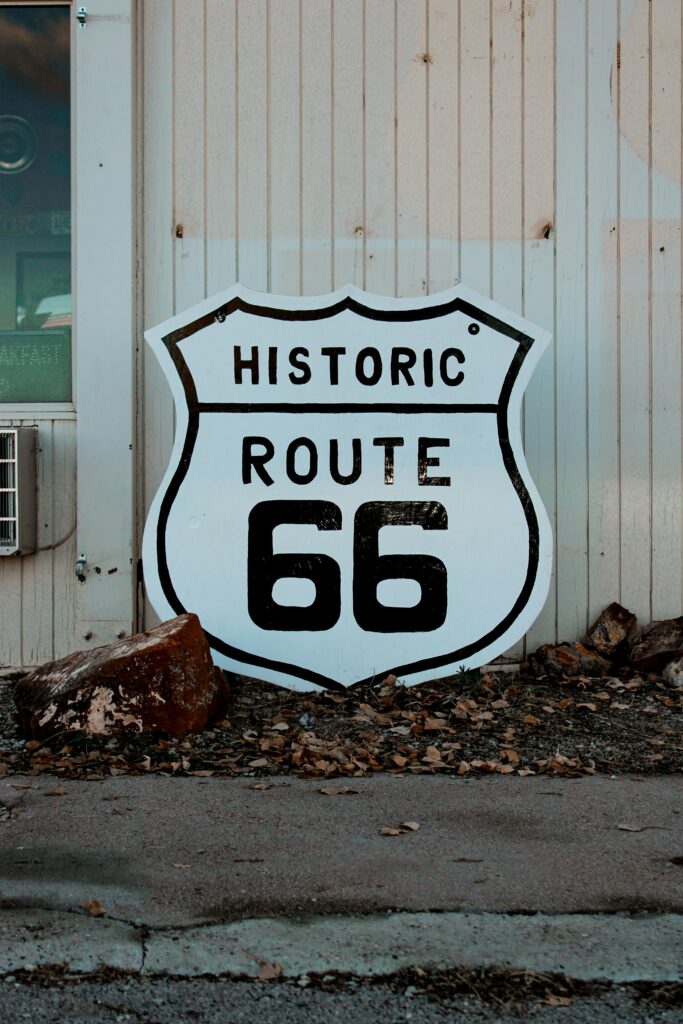
Thank you for riding along on this great American adventure down the Mother Road!
From the murals of Illinois to the deserts of Arizona, from diner booths to neon nights, it’s been a journey stitched together with stories, landscapes, and memories that make Route 66 unlike anywhere else on earth.
But the road doesn’t really end here — not for us, and not for you either. Whether you’re dreaming of your own cross-country trip, or just love exploring from the comfort of home, there are always more highways to follow, more cultures to discover, and more stories waiting to be told.
So keep your map unfolded, keep your curiosity burning, and make sure to come back for our next adventure — because the road is long, the world is wide, and this is only the beginning.