

Travel is often defined by the landmarks we see, the food we taste, or the people we meet. But if you stop and think about it, some of the strongest memories are of the places we stay. The hotel, the guesthouse, the quirky cabin — they don’t just give us a place to rest our heads, they shape the rhythm of the trip.
Over the years, I have come to love unusual stays more than anything else. A quirky night’s sleep can be the highlight of a holiday, a story you retell again and again. Instead of the same old hotel room, there are pods, trains, igloos, boats, and even caves waiting for adventurous travellers.
Here are some of the most memorable — and most unique — places to stay around the world.
Capsule Hotels – Japan’s Space-Age Sleep Pods
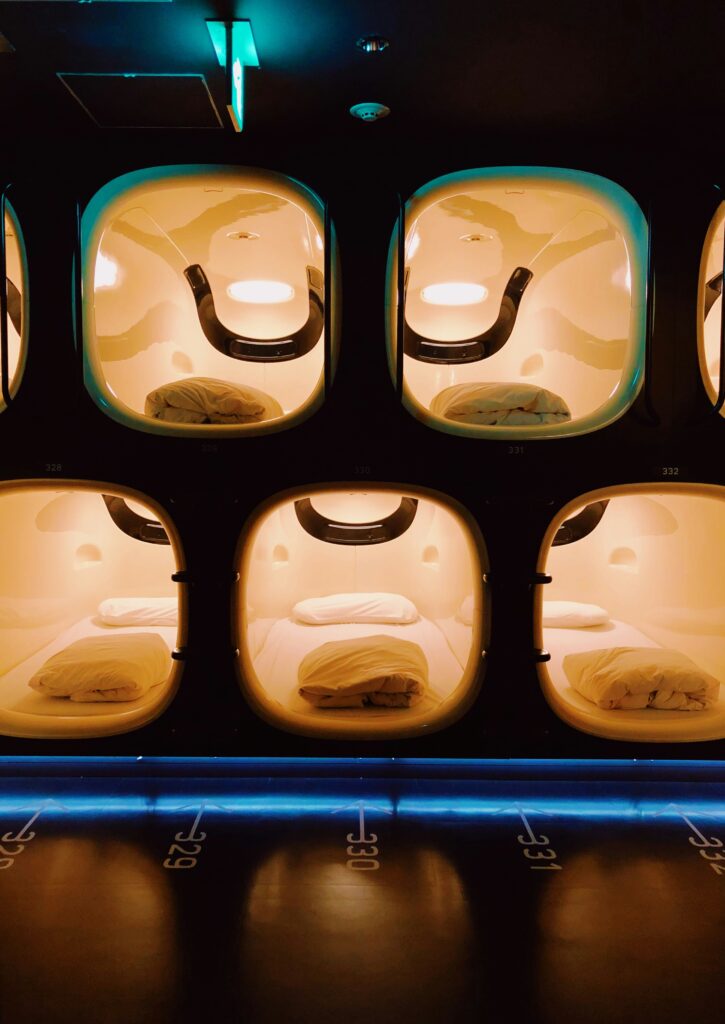
The first time I tried a capsule hotel in Tokyo, I’ll admit I was nervous. I pictured a glorified locker with a mattress inside. But when I arrived, I found something surprisingly comfortable — even charming in its own way.
The capsules themselves were sleek, softly lit, and just spacious enough to sit up, stretch, and settle in. Each one had a little control panel, a reading light, and even a tiny television. Slipping inside felt less like climbing into a cupboard and more like boarding a spaceship.
Of course, it wasn’t just about the pod. Capsule hotels come with their own rituals: swapping your shoes for slippers at reception, donning a cotton yukata robe, and padding through hushed corridors to shared baths or lounge spaces. There’s a sense of camaraderie, but also of privacy — you’re alone in your pod, but never really alone.
Late at night, lying cocooned in my little capsule, I could hear the faint shuffle of other guests, the low hum of the city outside, and I realised something: this wasn’t just a novelty. It was a completely different way to experience Tokyo.
Sleeper Trains – The Romance of Rail Travel
Few things feel as magical as boarding a train at night and waking up somewhere entirely new. Sleeper trains combine transport and accommodation, turning the journey itself into an adventure.
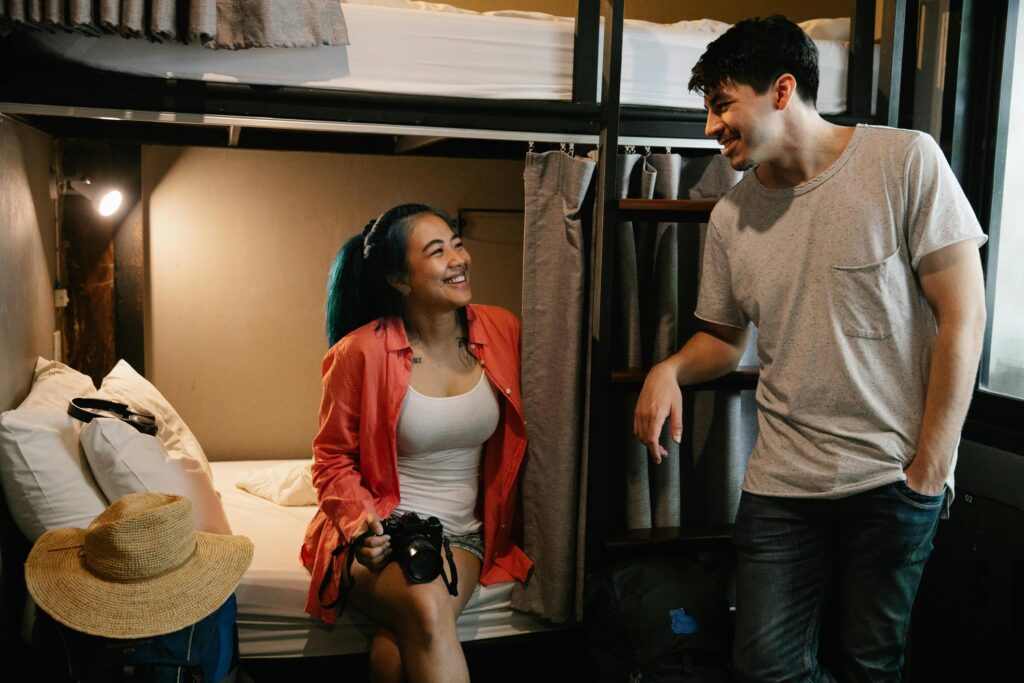
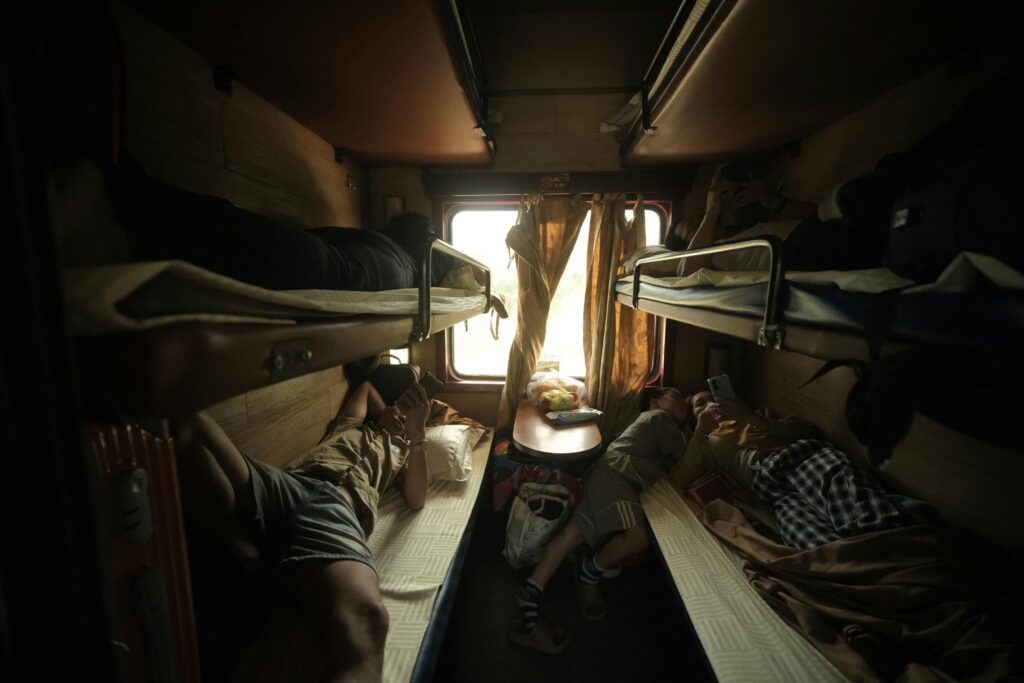
My first was the Caledonian Sleeper, running from London to Edinburgh. I boarded just after dusk, tucked into a surprisingly cosy berth, and listened to the train glide north. The rocking motion was soothing, almost hypnotic, and by the time I woke the next morning, the Scottish Highlands were rolling past the window.
In Asia, sleeper trains have their own special charm. Travelling from Hanoi to Hue, I shared a cabin with locals carrying baskets of snacks and newspapers, and we spent hours swapping stories before settling in for the night. In Thailand, the journey from Bangkok to Chiang Mai meant sipping tea by the window as palm trees and villages slipped by, before pulling the curtain across my bunk and letting the rhythm of the tracks lull me to sleep.
It’s not just transport. It’s a reminder of a slower, more romantic way to travel.
Ryokan – Traditional Japanese Hospitality
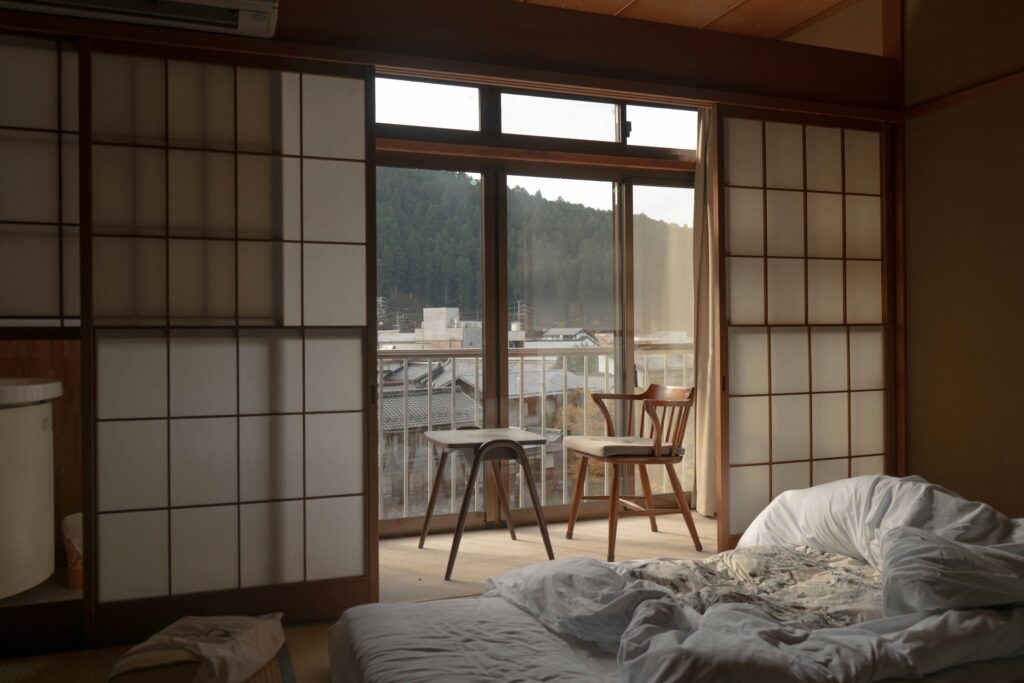
If capsule hotels are about efficiency and modernity, ryokans are about tradition and calm. Staying in a ryokan — a traditional Japanese inn — feels like stepping into another world.
The room was minimalist but beautiful: tatami mats underfoot, paper screens filtering soft light, and a low table where tea waited in delicate cups. At night, staff rolled out a futon, transforming the space into a sleeping area.
The food was as much a part of the stay as the room. Multi-course kaiseki dinners, each plate carefully arranged with seasonal ingredients, were served with the kind of care that made every bite feel like a ritual.
But perhaps the best part was slipping into the onsen — hot spring baths that wash away not just tiredness, but a sense of busyness too. The whole experience slowed me down, grounded me, and reminded me that sometimes, the best stays aren’t about extravagance but about balance.
My stay in a ryokan was truly a highlight of my trip to Japan.
Ice Hotels – A Frozen Fairytale
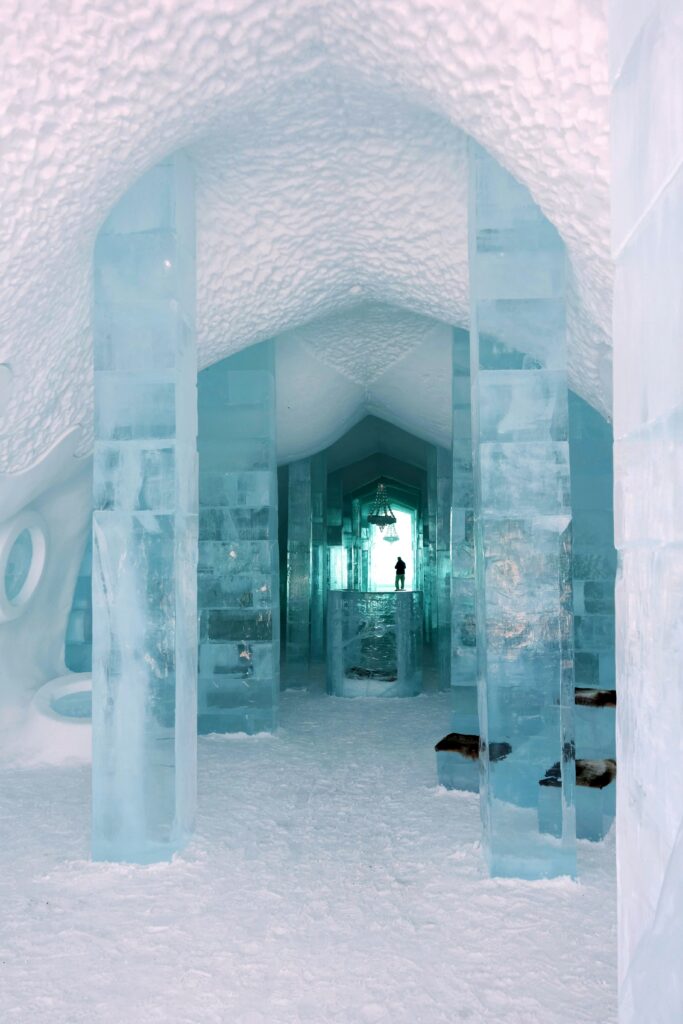
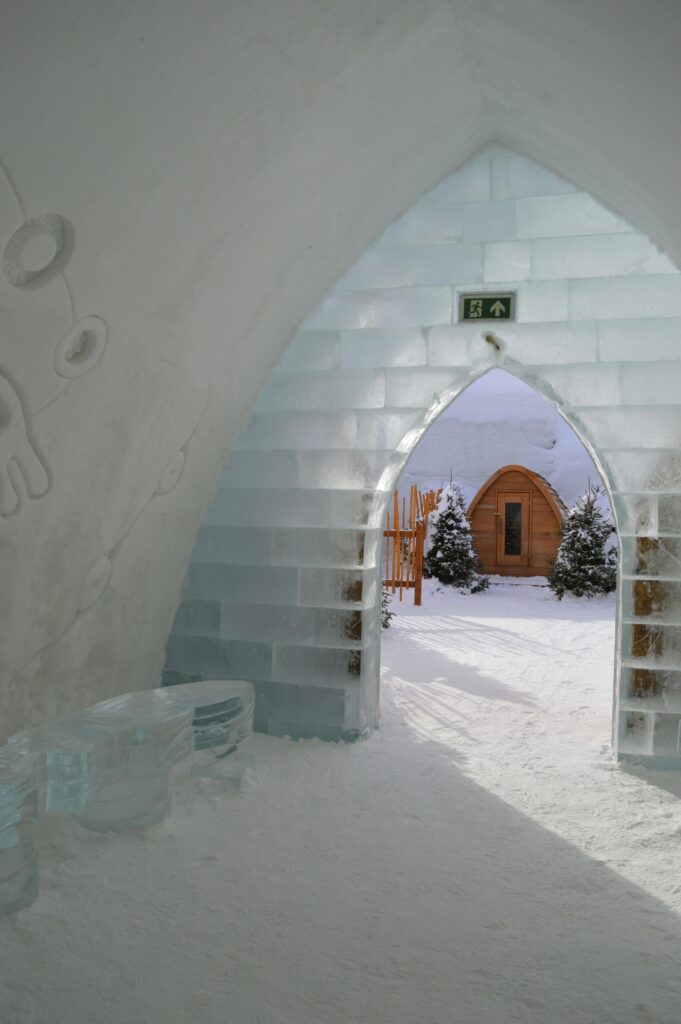
Spending the night in an ice hotel sounds like a dare — until you actually do it. In northern Sweden, I checked into a hotel carved entirely from ice and snow. The corridors glowed with bluish light, sculptures lined the walls, and even the glasses in the bar were made of ice.
The room itself was simple: a bed built from blocks of ice, covered in reindeer hides and topped with a thermal sleeping bag. Cold, yes, but also strangely cosy. Once you zipped yourself in, it felt like the safest cocoon.
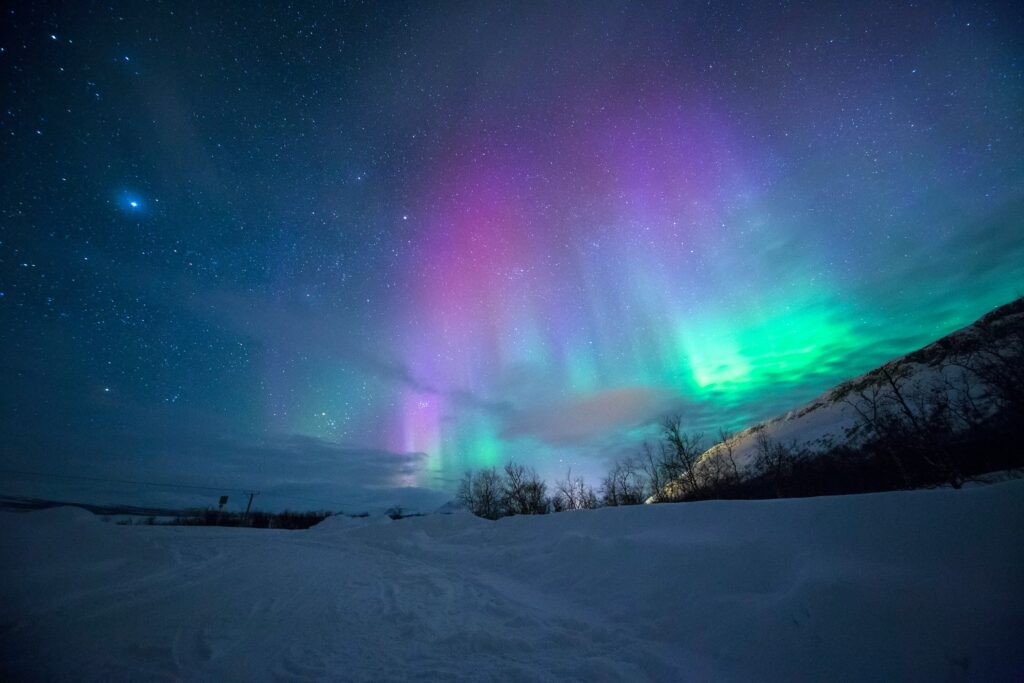
What made it unforgettable was stepping outside. The night sky stretched clear and endless, and the Northern Lights shimmered overhead. No luxury suite in the world could compete with that view.
Treehouses – Childhood Dreams Among the Branches
I stayed in a treehouse in Bali, tucked deep into the jungle canopy, and it was pure magic. Waking up to birdsong, with morning light filtering through the leaves, felt more real than any alarm clock.
The treehouse itself was rustic but comfortable: a wooden platform perched high above the ground, with mosquito nets draped over the bed and a balcony overlooking lush greenery. It combined the thrill of childhood treehouses with the comforts of a boutique hideaway.
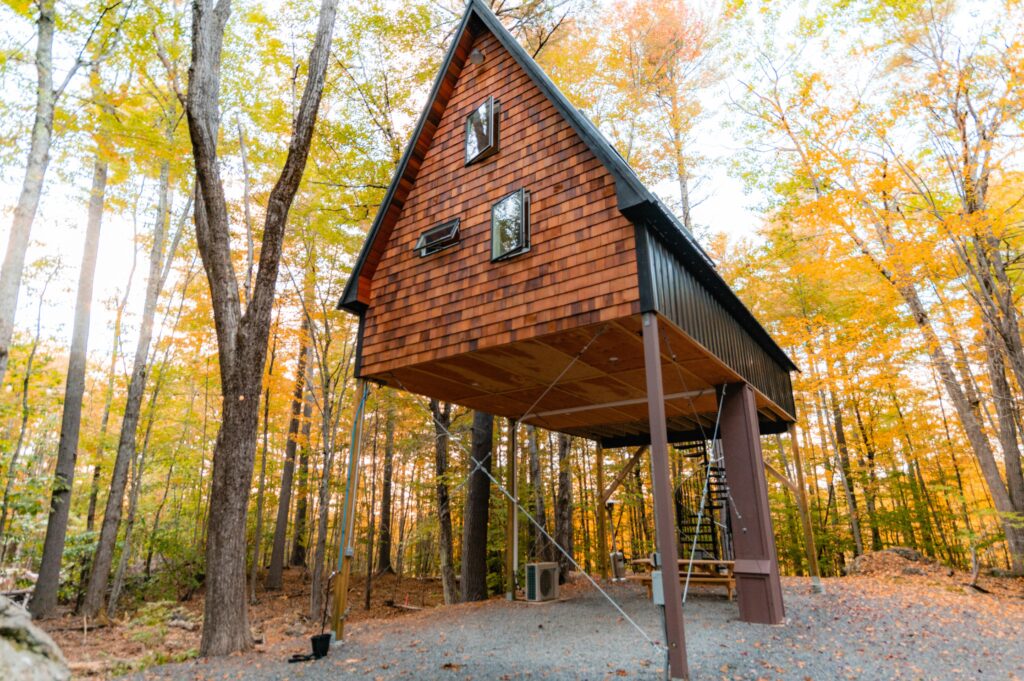
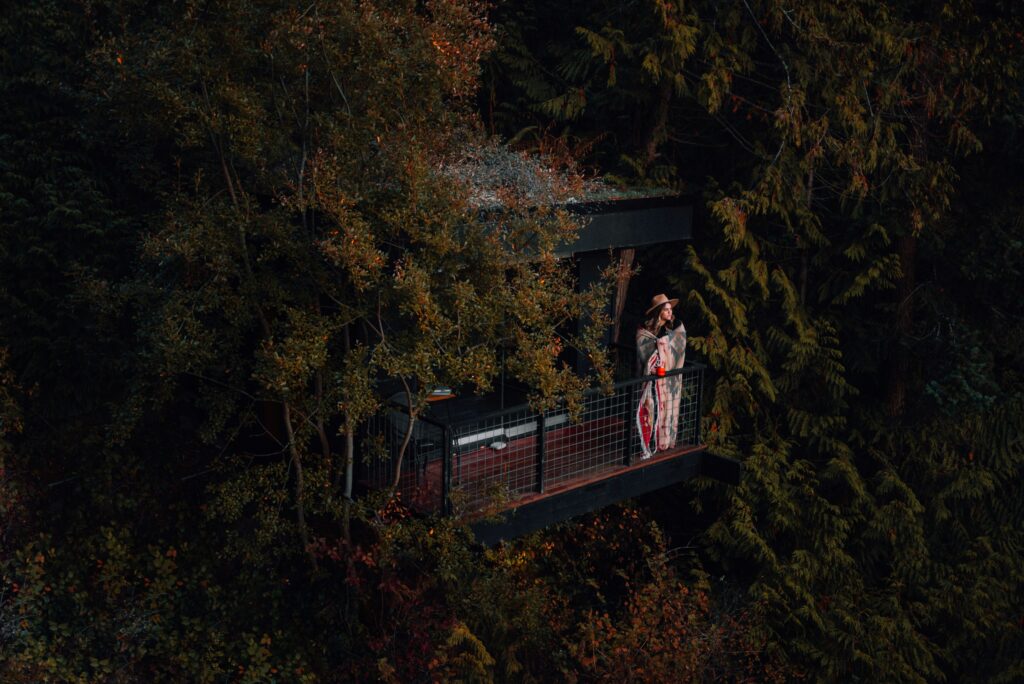

Treehouses pop up in places as varied as Sweden, Costa Rica, and even Scotland. Wherever they are, they carry that same mix of adventure and calm — a reminder that sometimes the best view is the one you wake up to, right outside your window.
Cave Hotels – History Beneath the Earth
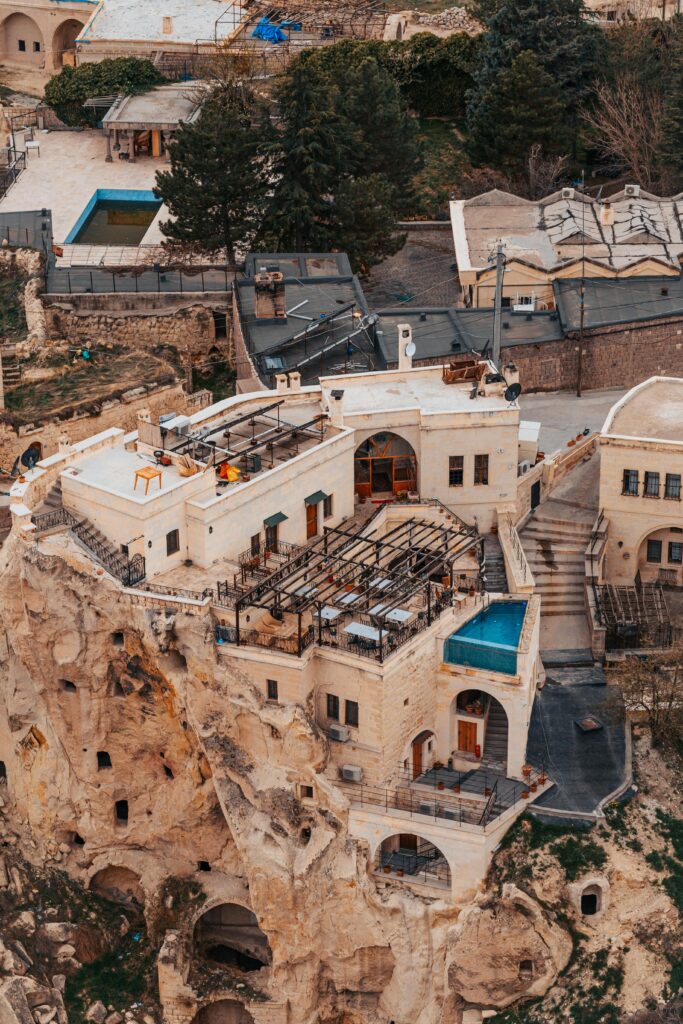
In Cappadocia, Turkey, I swapped a standard hotel room for a cave carved into soft volcanic rock. The walls were rough but smooth to the touch, curved and natural, with alcoves lit by candles.
Sleeping underground felt strangely peaceful, the thick walls keeping everything cool and quiet. Outside, the landscape was surreal: hot air balloons rising at dawn, fairy chimneys silhouetted against the sky.
Cave hotels combine history with hospitality. You’re not just in a room, you’re in a space that has sheltered people for centuries. It’s humbling, beautiful, and unlike anywhere else.
Houseboats – Life on the Water
In Kerala, India, I boarded a traditional houseboat to drift along the backwaters for a night. The boat was made of woven palm leaves and wood, with a little deck for lounging and a cosy cabin inside.
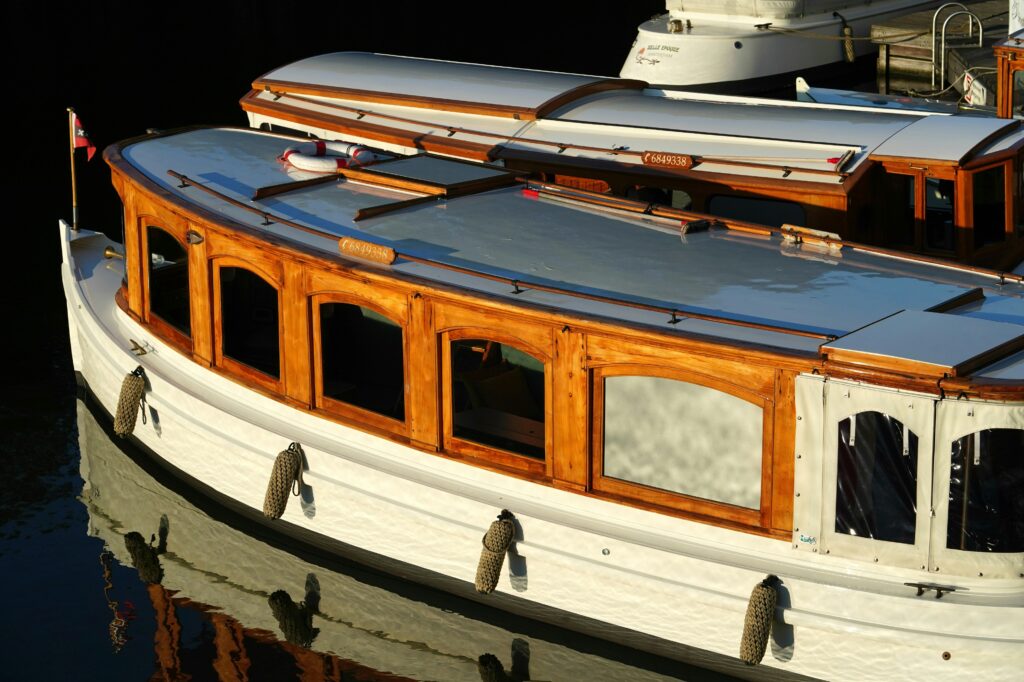
As the boat moved slowly along the canals, villages appeared on the banks: children waving, women washing clothes, fishermen casting nets. Meals were cooked onboard, simple curries and fresh rice served as the water lapped gently against the hull.
Sleeping on a houseboat isn’t about luxury — it’s about rhythm. The steady movement of water, the quiet of the countryside, and the feeling that life has slowed to its most natural pace.
Why Choose a Unique Stay?
Staying somewhere unusual changes the whole texture of a trip. Instead of your accommodation fading into the background, it becomes part of the story.
Capsule hotels offer a taste of Japan’s futuristic side. Sleeper trains let you savour the journey as much as the destination. Ryokans and houseboats slow you down. Ice hotels and treehouses awaken that childlike sense of wonder.
It doesn’t matter if it’s one night or an entire holiday — a unique stay gives you a memory that lasts far longer than check-out time.
Final Thoughts
Looking back over my travels, the most vivid memories aren’t always of the landmarks or museums. They’re of drifting along a backwater on a houseboat, crawling into a glowing capsule in Tokyo, watching snowflakes fall outside an ice hotel, or waking to birdsong in a jungle treehouse.
Travel isn’t just about where you go. It’s about how you live while you’re there — and sometimes, the place you sleep becomes the greatest adventure of all.