
Vietnam is one of those countries that grabs you with your senses. The smells of sizzling street food, the vibrant colours of fresh herbs and vegetables, the gentle clang of woks in busy kitchens—it’s impossible not to fall in love with Vietnamese cuisine. On my recent trip, I spent days wandering through Hanoi’s Old Quarter, Ho Chi Minh City’s bustling markets, and the peaceful countryside, tasting my way through everything from street snacks to regional specialties. By the end, my list of favourites had shrunk to four dishes that truly captured the essence of Vietnam.
Pho
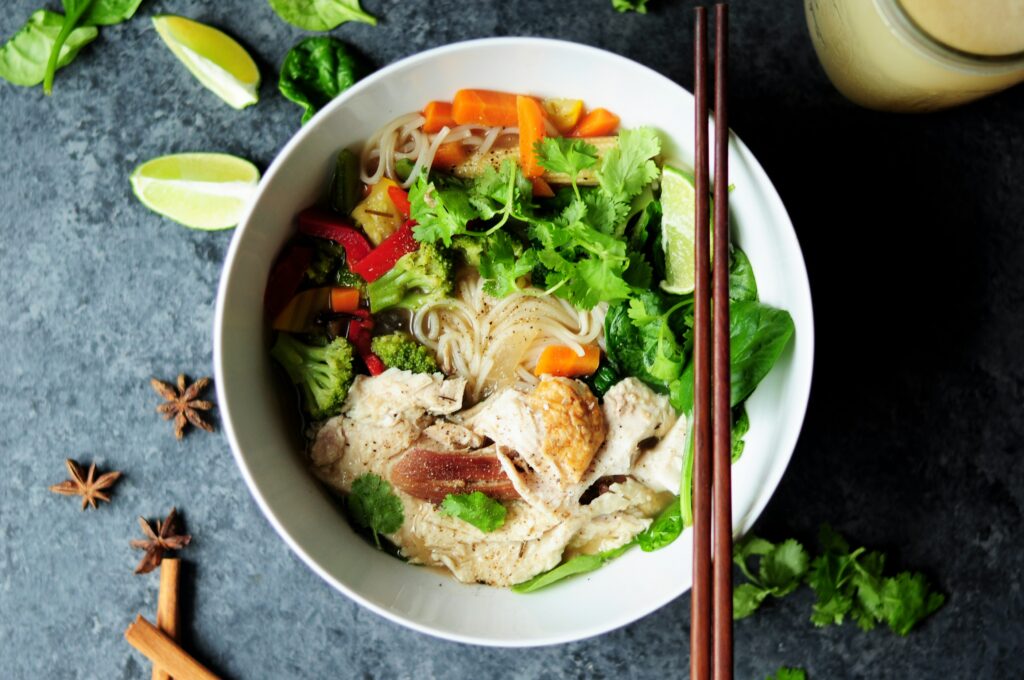
No trip to Vietnam is complete without a steaming bowl of pho, the country’s iconic noodle soup. I had my first bowl at a tiny street-side stall in Hanoi before dawn, the air crisp and misty. The broth was perfectly clear, simmered for hours with spices and bones, giving it a depth that seemed impossible for such a simple dish.
The noodles were silky, the herbs fragrant, and the beef tender. As I added lime, chilli, and fresh basil, every bite felt layered and alive. There’s a reason locals eat pho for breakfast—it’s comforting, energising, and utterly addictive. Sitting on a low plastic stool, slurping noodles with the street waking around me, I felt like I was experiencing Vietnam exactly as it should be.
Banh Mi
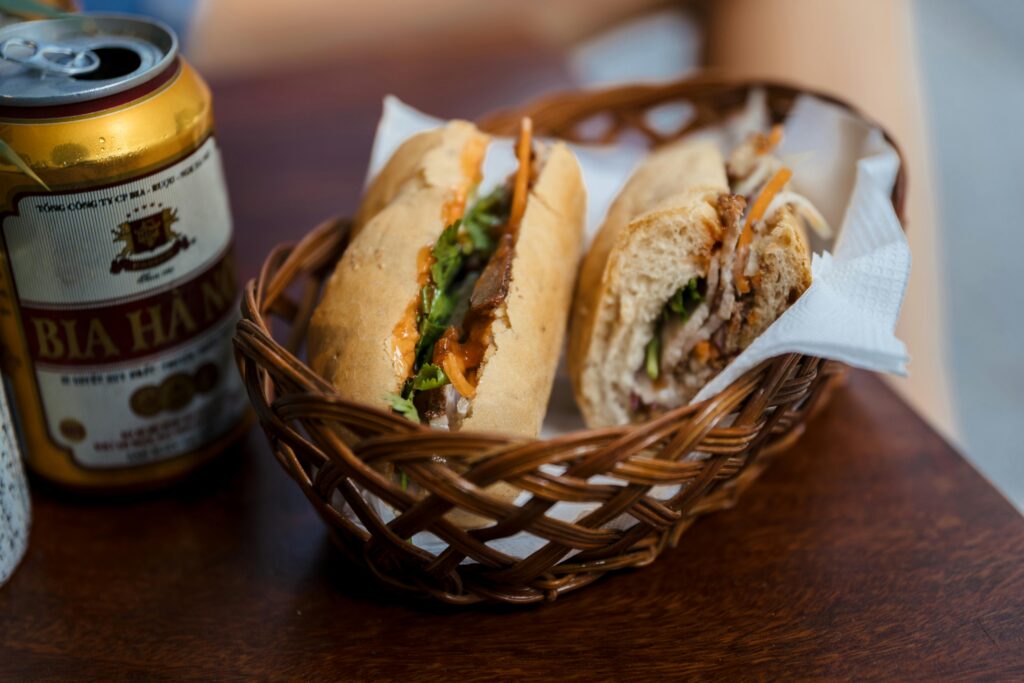
The banh mi is a culinary symbol of Vietnam: a crisp baguette stuffed with meats, pickled vegetables, herbs, and a smear of pate. I tried mine from a bustling street cart in Ho Chi Minh City, the kind where locals queue in single file without a word exchanged.
The first bite was a perfect balance of textures and flavours—the crunch of the bread, the savoury richness of pork, and the tangy crunch of pickled carrots and daikon. The fresh herbs gave it a brightness that kept me reaching for more. Walking through the streets with a banh mi in hand is one of those travel experiences you don’t forget. Every bite feels like the perfect combination of French influence and Vietnamese tradition.
Bun Cha
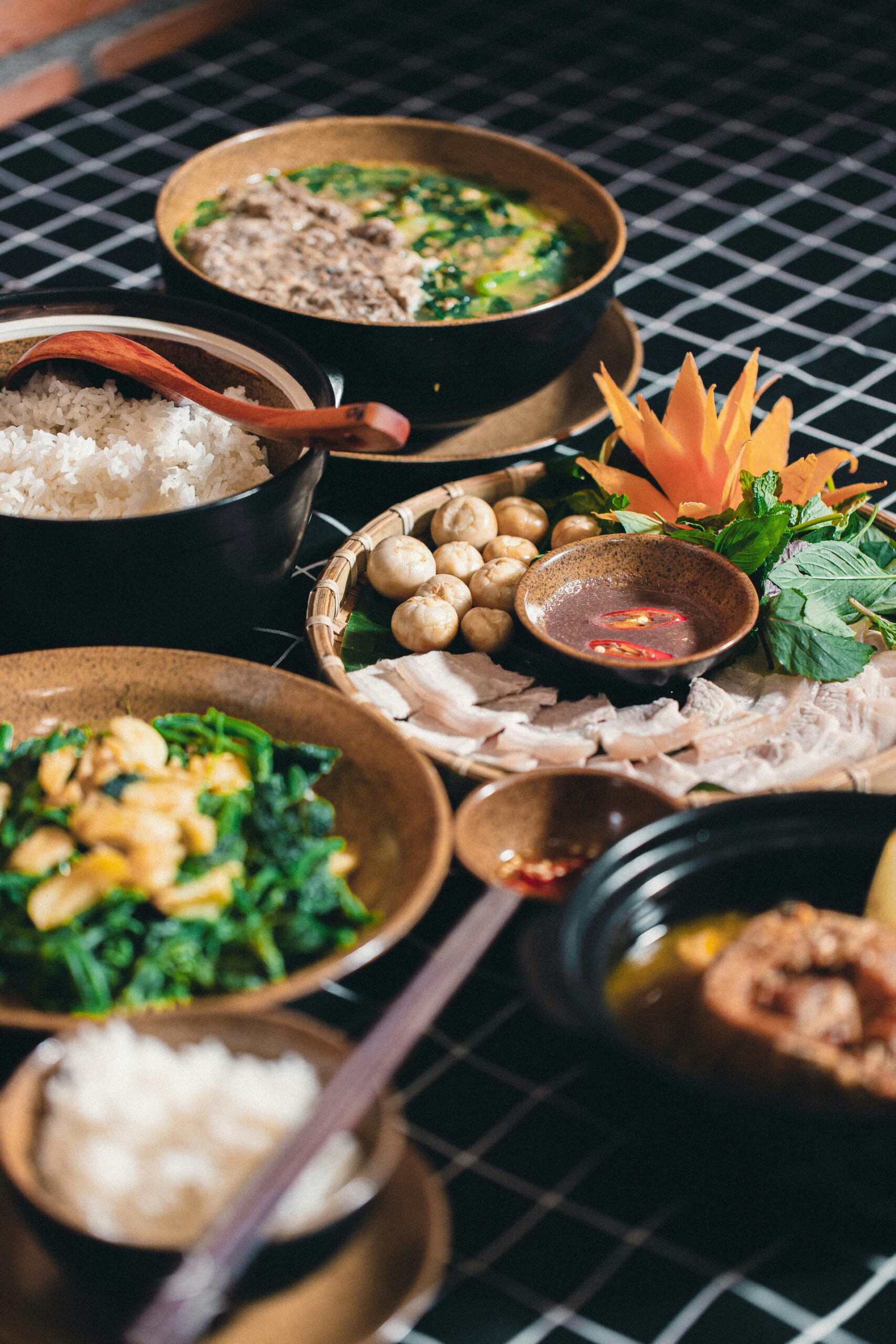
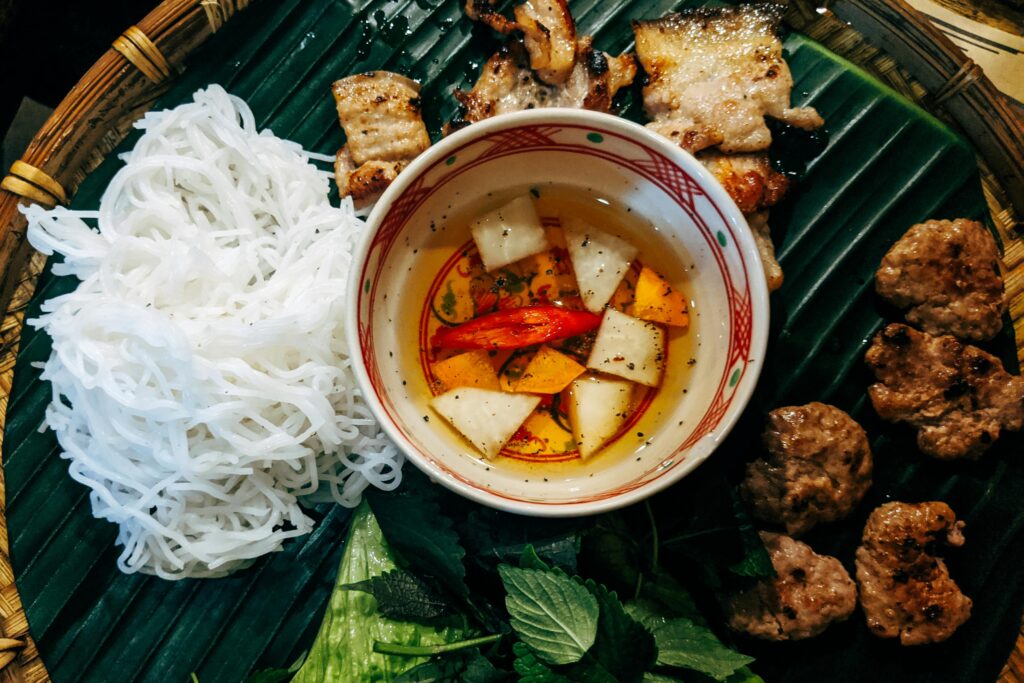
In Hanoi, bun cha is a must-try. This dish features grilled pork patties and slices of caramelised pork belly served over vermicelli noodles, with fresh herbs and a dipping sauce that is simultaneously sweet, salty, and tangy. I stumbled upon a tiny local eatery, and as the grill sizzled, the aroma drew me in like a magnet.
The first mouthful was extraordinary—the smoky, charred meat combined with the freshness of herbs and the subtle crunch of noodles, all balanced by the dipping sauce. It’s casual street food at its finest, eaten with chopsticks on tiny stools, and it feels like a ritual as much as a meal. I found myself savouring every single bite, wondering why I’d never had anything like it before.
Goi Cuon (Fresh Spring Rolls)
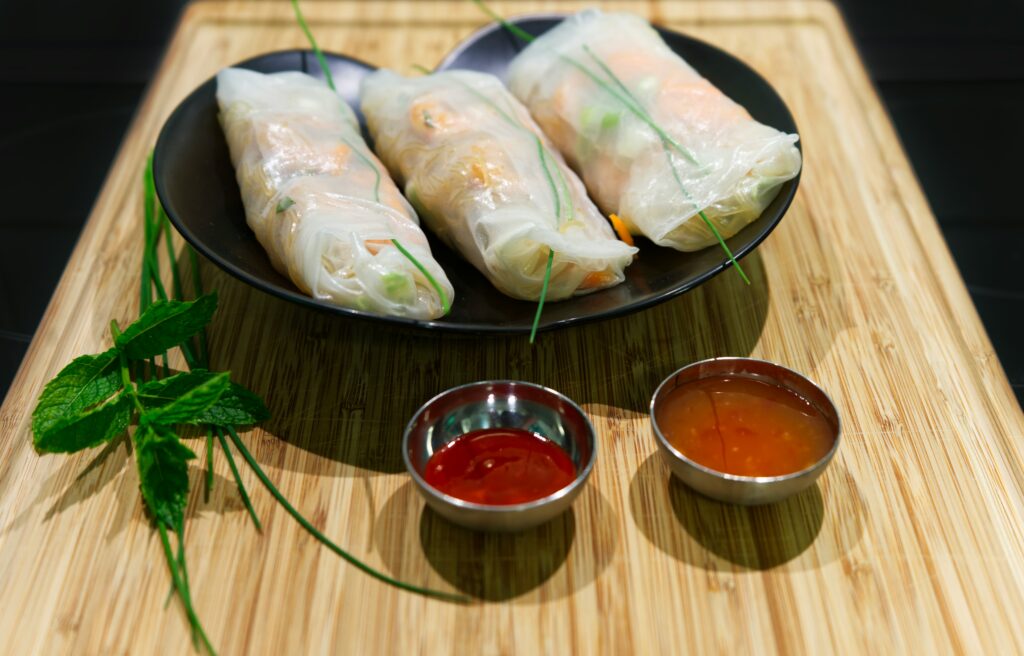
Vietnamese fresh spring rolls, or goi cuon, are deceptively simple but utterly refreshing. I had them at a riverside café in Hoi An, watching the afternoon light catch on the lanterns strung above the street. The rolls were filled with shrimp, pork, vermicelli, and fresh herbs, all wrapped in delicate rice paper.
Each bite was a burst of freshness—light, crunchy, and herbaceous, with the peanut dipping sauce adding just enough richness. These are the kind of rolls you can eat again and again without ever feeling heavy. Eating them slowly, watching the river glide past, I realised that Vietnamese cuisine is as much about balance and subtlety as it is about flavour.
Final Thoughts
Vietnam is a country where food and culture are inseparable. From the fragrant bowls of pho on early Hanoi mornings to the indulgent sweetness of ca kho to at a bustling Ho Chi Minh restaurant, every dish I tried told a story. These dishes—pho, banh mi, bun cha and goi cuon —captured the variety, balance, and boldness of Vietnamese cuisine.
If you’re planning a trip, go hungry and take your time. Wander the markets, try the street food, and don’t be afraid to order the dish you can’t pronounce. By the end of your journey, you’ll have not just memories, but a genuine taste of Vietnam that will stay with you long after you’ve left.