


The Eternal City’s Allure
Few cities in the world can match the magnetic pull of Rome. Known as the Eternal City, it’s a place where every cobblestone seems to whisper a story, and every piazza feels like a living stage. Rome is not just a destination; it’s an experience — a city that embraces the past while pulsing with modern life.
Here, ancient ruins sit beside bustling trattorias, baroque fountains splash in sun-drenched squares, and the aroma of espresso wafts through narrow lanes. Whether you come for art, history, food, or simply the joy of strolling and soaking it all in, Rome promises a feast for the senses.
This article will guide you through a Roman adventure: from iconic landmarks to hidden corners, culinary delights to practical tips, offering a taste of why this city continues to captivate travellers from around the world.
Getting There & Getting Around
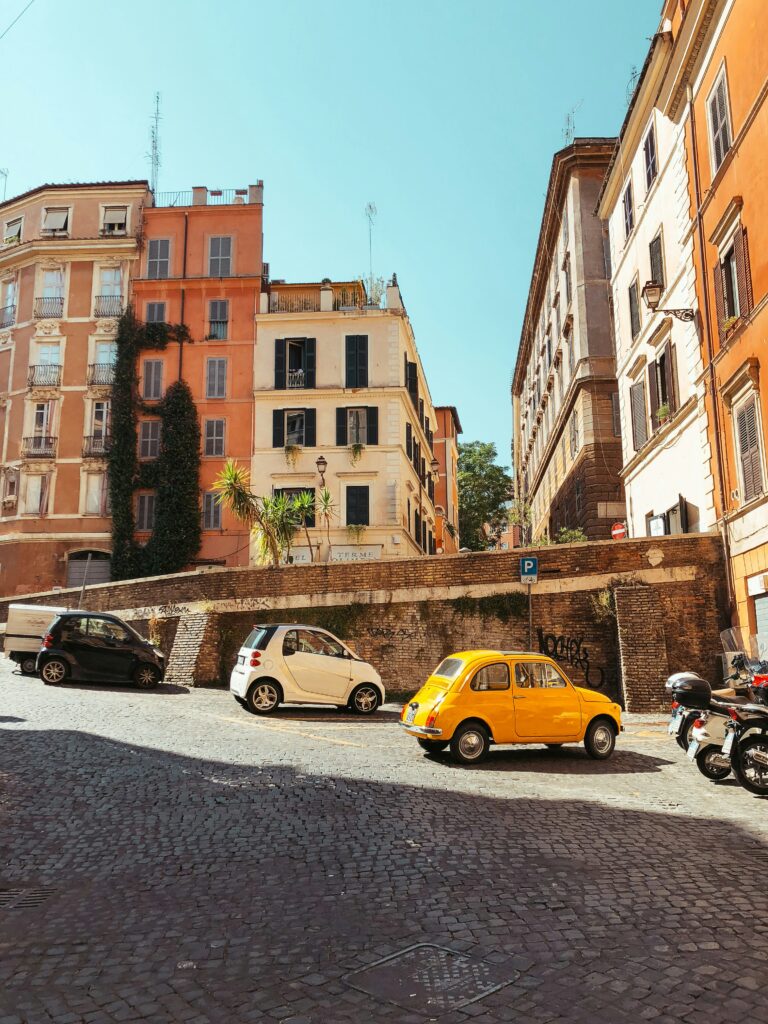
Reaching Rome is simple, with two main airports — Fiumicino (Leonardo da Vinci) and Ciampino — serving flights from across Europe and beyond. High-speed trains link the city to Florence, Naples, Milan, and Venice, making Rome an easy stop on an Italian itinerary.
Once you’re here, Rome is best explored on foot. The historic centre is wonderfully walkable, and some of the city’s greatest joys come from wandering without a plan, turning corners and stumbling upon unexpected treasures. That said, Rome’s public transport — buses, trams, and the Metro — is useful for longer journeys, especially if you’re staying a little outside the centre.
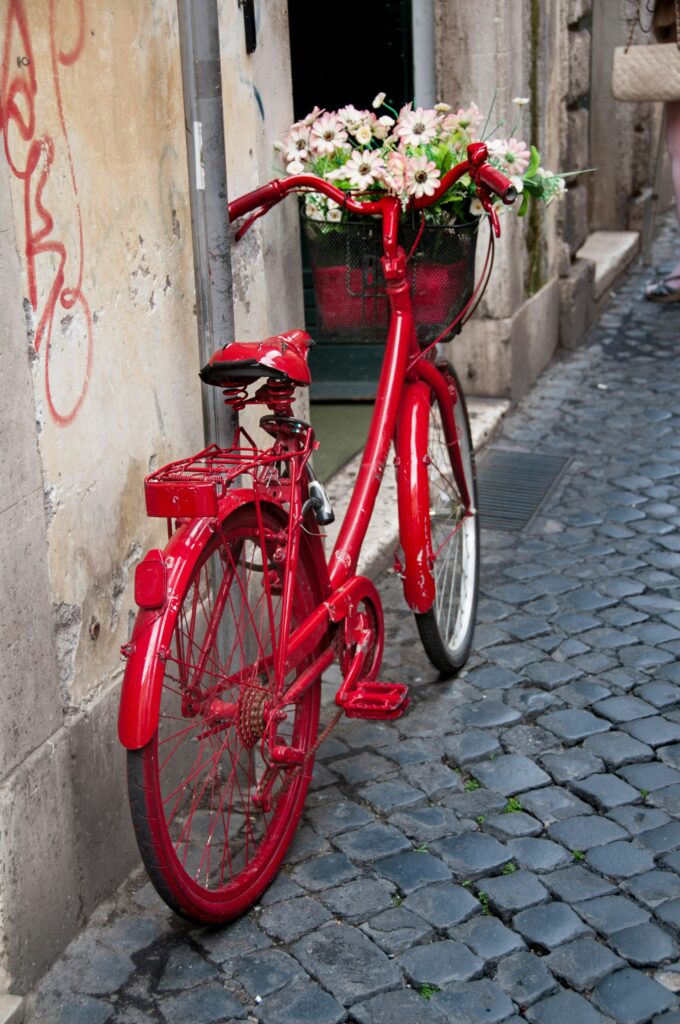
If you’re keen to cover more ground, consider hiring a bicycle or even a Vespa for that classic Italian experience, though be prepared for lively traffic! Taxis are plentiful but can be costly, so most travellers rely on a mix of walking and public transport.
Ancient Wonders & Historic Icons
Rome wears its history proudly, and the sheer scale of its ancient ruins is awe-inspiring.
No visit is complete without standing inside the Colosseum, imagining gladiators and roaring crowds filling the great amphitheatre nearly 2,000 years ago. Close by, the Roman Forum stretches out with columns, arches, and remnants of temples that were once the political and commercial heart of the empire. Wandering here is like stepping through time.
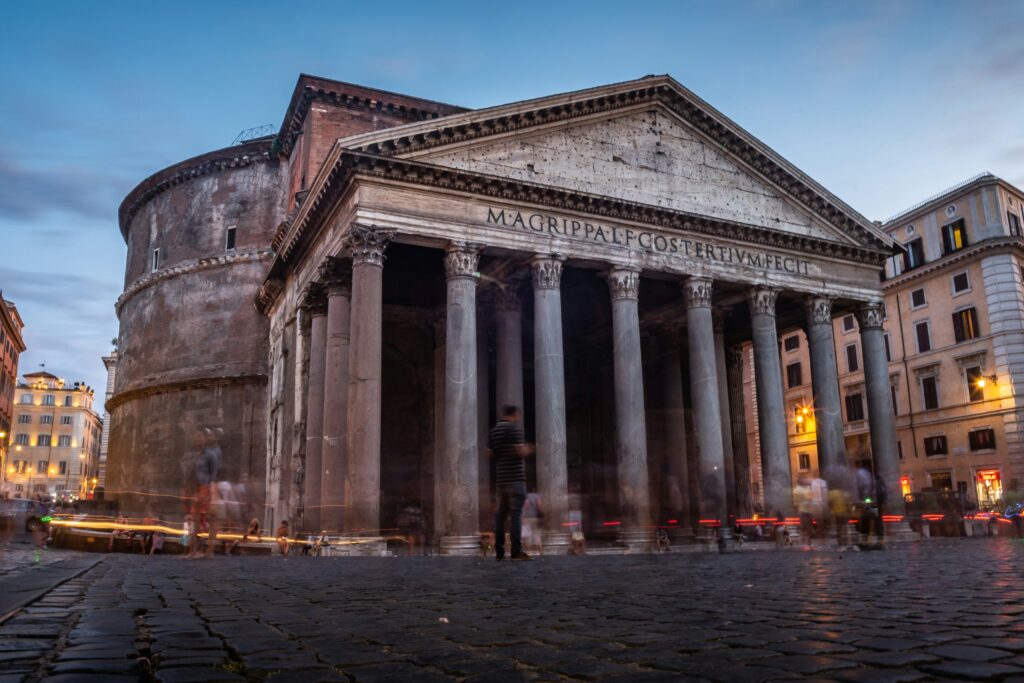
The Pantheon is another marvel, a temple to the gods turned church, with its vast dome and open oculus that lets sunlight (and sometimes rain) pour in. It’s one of the best-preserved monuments of ancient Rome and still feels astonishingly modern.
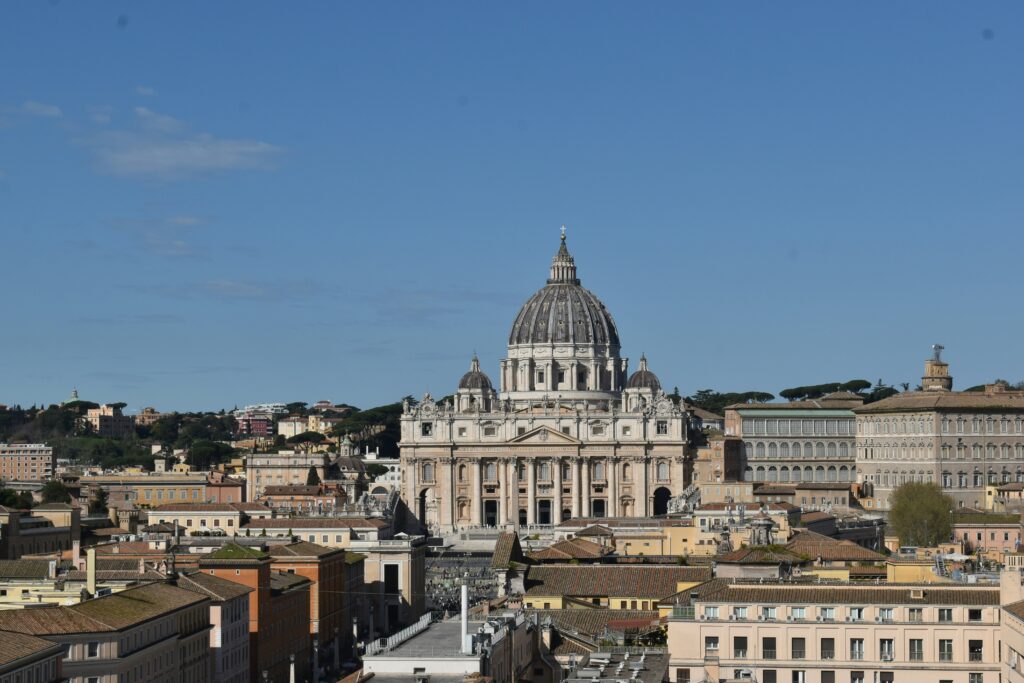
Of course, Rome is also home to the Vatican City, the world’s smallest independent state but a giant in terms of influence and beauty. St Peter’s Basilica is a masterpiece of Renaissance architecture, while the Vatican Museums house treasures from across centuries, culminating in Michelangelo’s breathtaking Sistine Chapel ceiling.
Piazzas, Fountains & Everyday Life
Beyond the grand monuments, Rome’s soul is found in its piazzas — lively squares where people gather, fountains splash, and daily life unfolds.
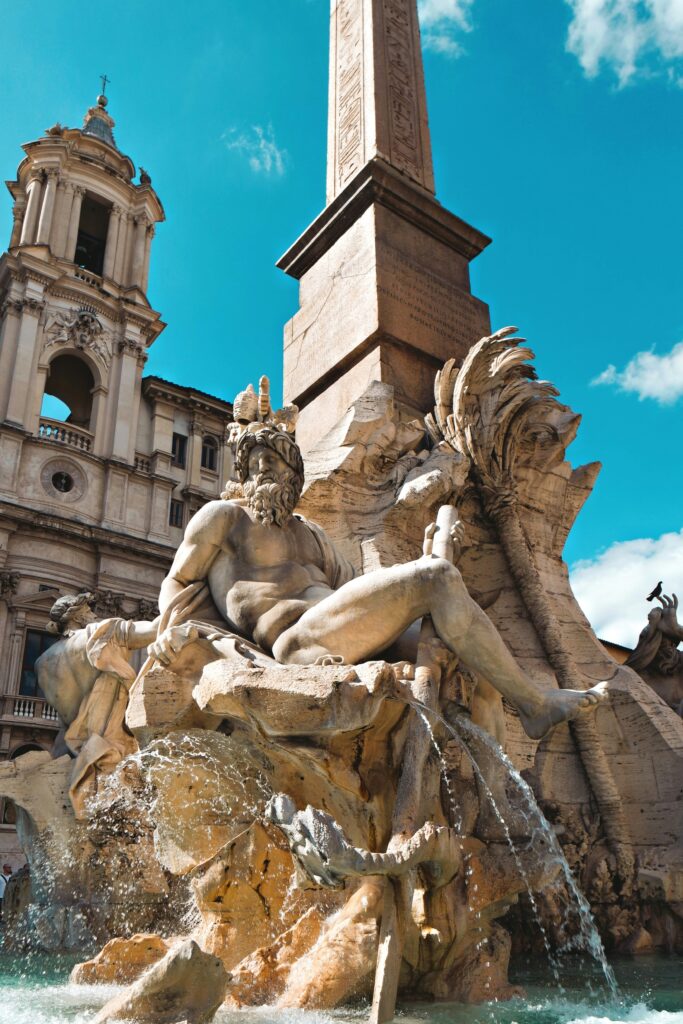
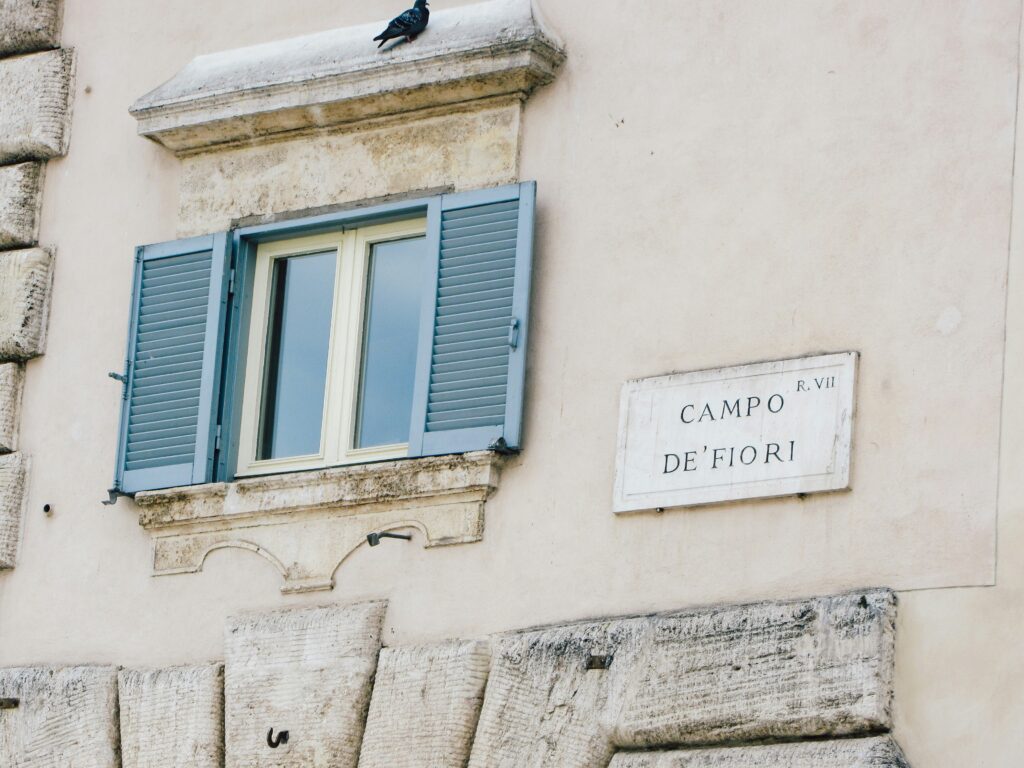
The Piazza Navona, with its baroque fountains and street artists, is always buzzing. Grab a gelato, find a spot on a bench, and watch the world go by. Campo de’ Fiori is another favourite, with a morning market that gives way to bustling restaurants and bars in the evening.
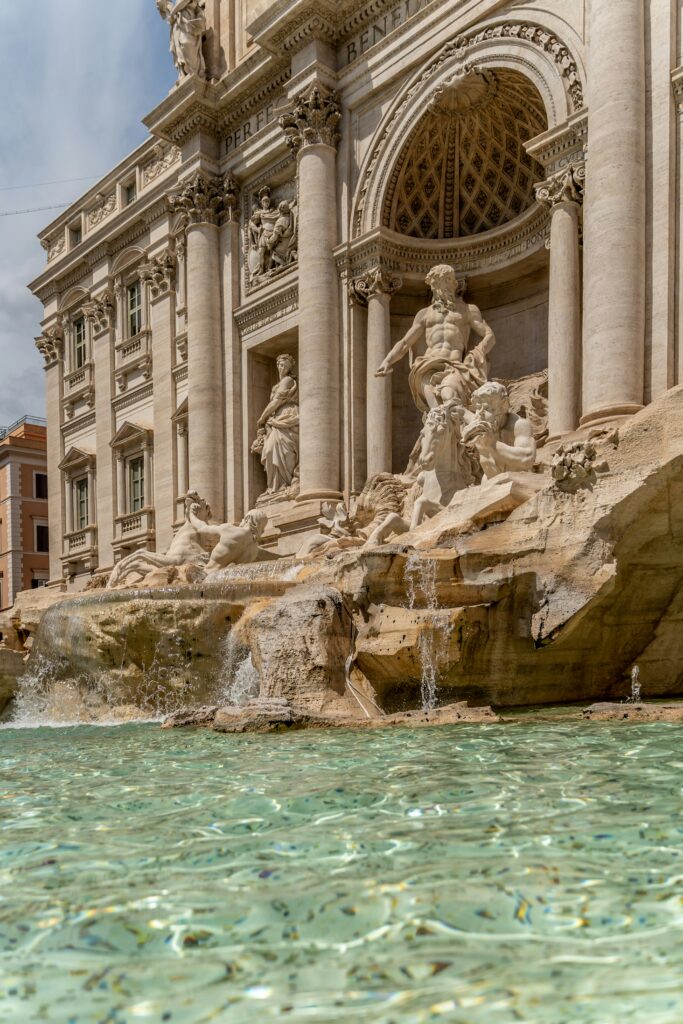
Of course, no Roman adventure is complete without tossing a coin into the Trevi Fountain. Legend has it that one coin ensures a return to Rome, two brings romance, and three leads to marriage. Whether or not you believe the superstition, the fountain’s grandeur and sparkle are unforgettable.
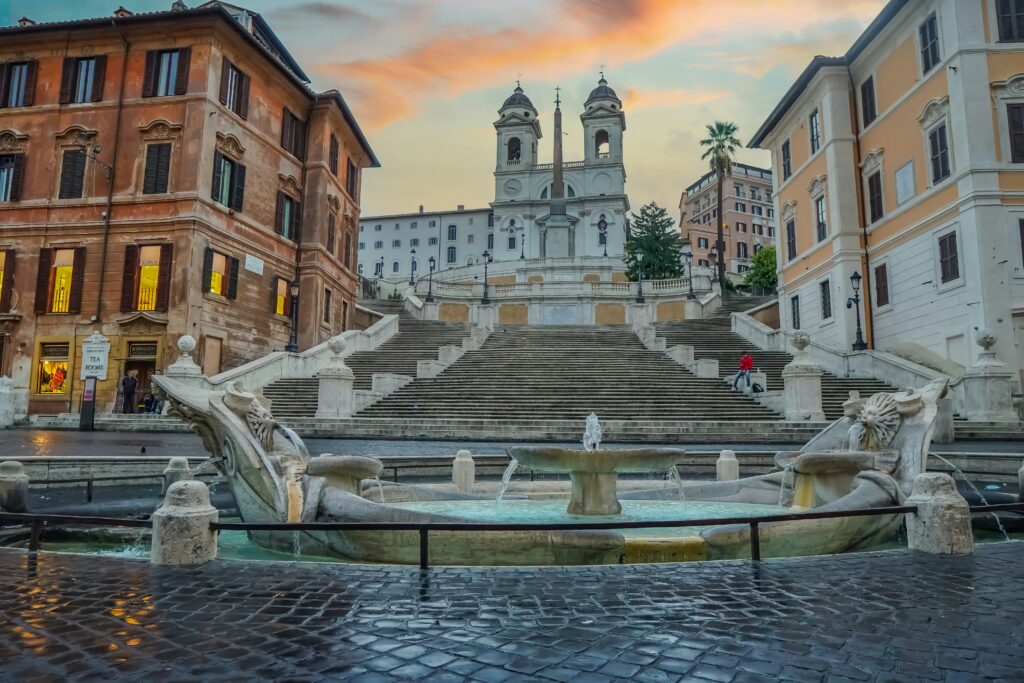
And then there’s the Spanish Steps, leading up to the Trinità dei Monti church. Once a gathering spot for artists and poets, today it remains a place where locals and visitors alike pause to sit, chat, and soak in the atmosphere.
Neighbourhoods with Character
Each neighbourhood in Rome offers its own flavour, and exploring them is one of the city’s greatest pleasures.
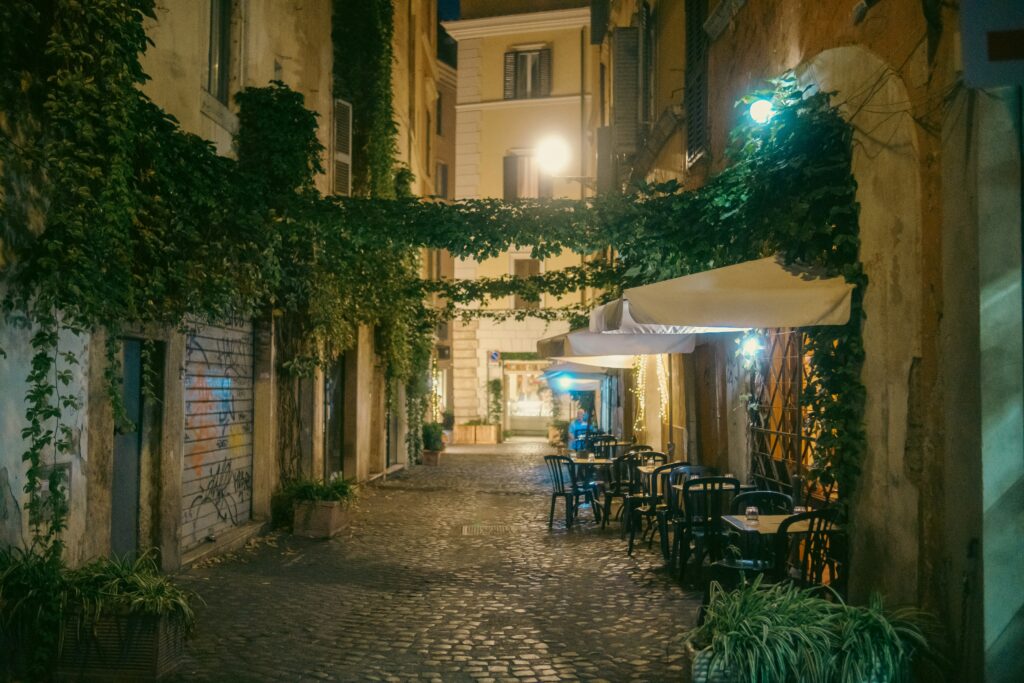
Trastevere, across the River Tiber, is beloved for its winding cobbled streets, ivy-draped buildings, and lively nightlife. By day, it’s charming and relaxed; by night, its piazzas buzz with restaurants, bars, and music.
The Jewish Ghetto, one of the oldest in Europe, combines poignant history with wonderful food, especially Roman-Jewish specialities like fried artichokes (carciofi alla giudia).
Monti, near the Colosseum, has a hip, bohemian vibe, with vintage shops, cool cafés, and a younger energy. Meanwhile, Prati, near the Vatican, feels more elegant, with wide boulevards, stylish shops, and excellent trattorias.
Roman Cuisine: A Feast for the Senses
If history and art nourish the mind, then Roman cuisine nourishes the soul. Food here is simple, bold, and deeply satisfying.
Classic pasta dishes are a must:
- Amatriciana — a rich tomato sauce with guanciale and Pecorino.
- Cacio e pepe — pasta with Pecorino Romano cheese and black pepper.
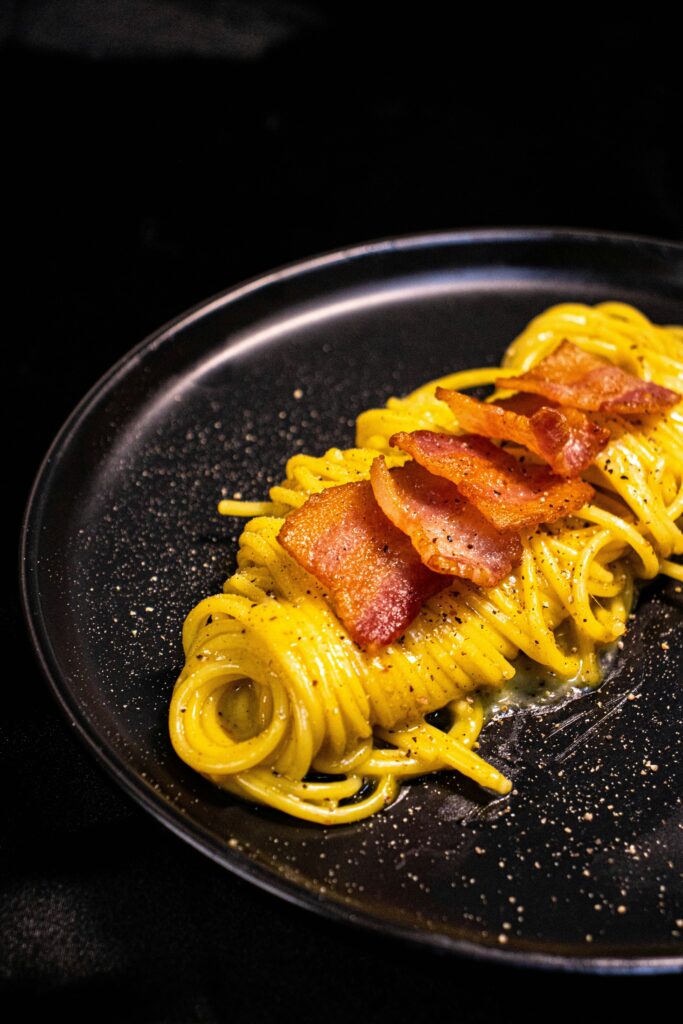
- Carbonara — made the authentic Roman way, with eggs, Pecorino, guanciale (cured pork cheek), and black pepper (no cream in sight!).
Pizza in Rome also has its own style. You’ll find thin, crispy Roman pizza served in traditional pizzerias, while pizza al taglio (by the slice) makes for a perfect snack on the go.
Street food fans will love supplì — fried rice balls filled with mozzarella — often sold at casual eateries. And for something sweet, gelato is everywhere, with flavours ranging from classic pistachio to inventive combinations like ricotta and fig.
Of course, all this is best washed down with a glass of Italian wine, whether a crisp white from Lazio or a bold red from Tuscany. For many, though, no Roman day feels complete without the ritual of coffee: a quick espresso, taken standing at the bar, is part of daily life here.
Art, Culture & Hidden Gems
Rome is often called an open-air museum, but it’s also alive with culture in the present.
Art lovers will find treasures at the Borghese Gallery, with masterpieces by Bernini, Caravaggio, and Raphael. The Capitoline Museums offer an incredible collection of classical art and sculpture, along with sweeping views over the Forum.
But some of Rome’s magic lies in its hidden corners. A keyhole on the Aventine Hill frames a perfect view of St Peter’s Basilica. The Appian Way, one of the oldest Roman roads, lets you walk where legions once marched, passing aqueducts, villas, and catacombs. Even simply ducking down side streets can reveal quiet churches with astonishing frescoes or peaceful courtyards away from the crowds.
Practical Tips for Travellers
- When to Visit: Spring (April–June) and autumn (September–October) are ideal, with pleasant weather and fewer crowds. Summer can be very hot and busy, while winter offers quieter streets and a cosier vibe.
- What to Wear: Comfortable shoes are essential for cobbled streets and long days of walking. Modest clothing is required to enter churches, especially the Vatican.
- Booking Ahead: Major sights like the Colosseum and Vatican Museums benefit from pre-booked tickets to avoid long queues.
- Language & Etiquette: While many people speak English, a few phrases of Italian — buongiorno (good morning), grazie (thank you) — go a long way. Dining is leisurely; don’t expect the bill to arrive until you ask for it.
Conclusion: Why Rome Stays in the Heart
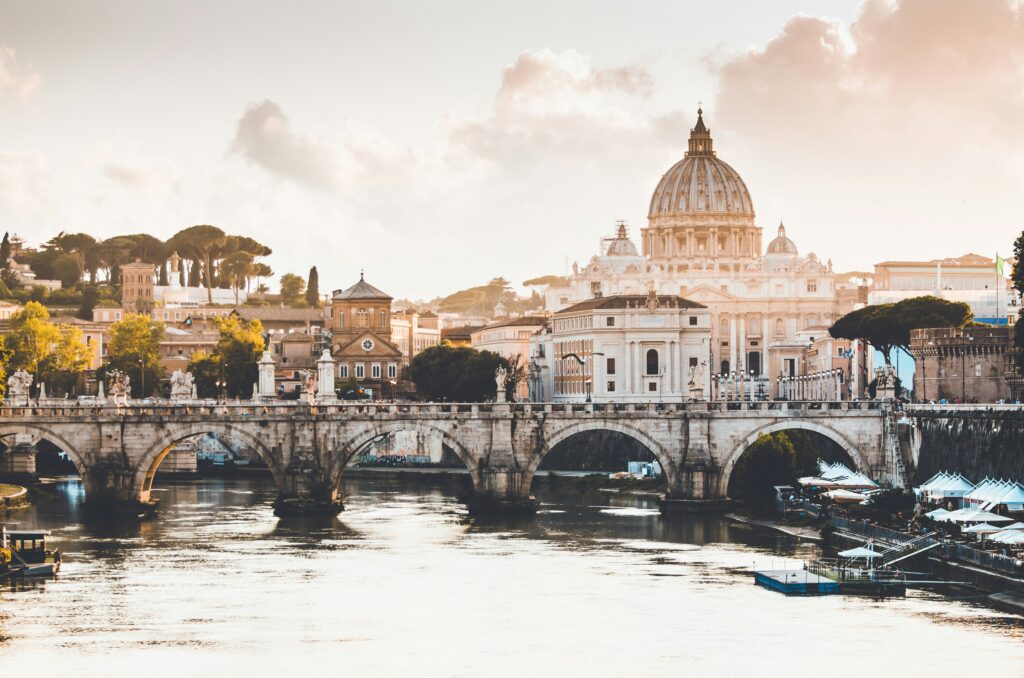
Rome is more than just a city of ruins and relics. It’s a place where the past and present live side by side — where ancient stones echo with history, yet life hums with vibrancy and warmth. Every piazza, every plate of pasta, every golden sunset over domes and rooftops becomes part of a memory that lingers long after you’ve left.
The Eternal City is not about rushing through a checklist of sights, but about savouring moments: a conversation with a local, a sip of wine at a street-side table, or the simple joy of turning a corner and gasping at yet another breathtaking view.
Rome is a city that reminds you to slow down, to embrace beauty, and to delight in life’s simple pleasures. And once you’ve experienced it, like tossing a coin into the Trevi Fountain, you’ll feel certain you’ll return again one day.